Engineering expertise aims to enable a buildable asset while managing risk reduction
February 10, 2026
2:50 PM
Cemvita, Radix join forces to advance sustainable aviation fuel (SAF) feedstock plant in Brazil
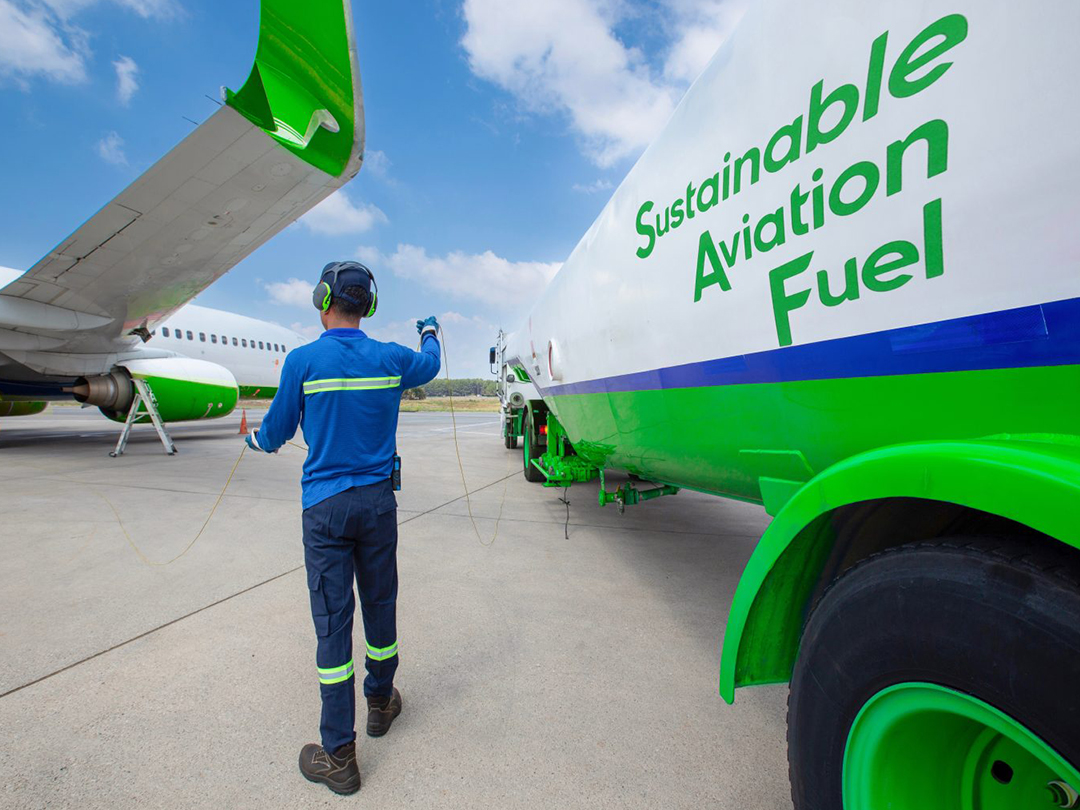
Cemvita and Radix announced progress in front-end engineering for a first-of-its-kind circular bio-oil project in Brazil, focused on converting crude glycerin, a biodiesel byproduct, into ultra-low carbon intensity bio-oil used as a feedstock to produce sustainable aviation fuel (SAF) and other advanced biofuels.
Cemvita’s proprietary bio-manufacturing platform converts crude glycerin into a versatile bio-oil that can be upgraded into high-value, drop-in feedstocks, including co-processing in existing refineries and/or hydro-processed esters and fatty acids (HEFA)-based SAF, expanding both the feedstock base and the decarbonization potential of the fuel value chain.
The collaboration focuses on translating Cemvita’s biomanufacturing process, de-risked through years of pilot and scale-up work, into an industrially executable configuration, according to the statement. Leveraging its engineering expertise and global experience supporting large-scale industrial projects, Radix is responsible for developing the engineering, industrial design basis, and scalability framework for the project.
“This project demonstrates how innovation and industrial engineering can work together to enable energy transition,” said Luiz Mello, Head of Energy at Radix. “Cemvita has developed a unique and differentiated technology. Our close collaboration aims to ensure that this technology can be engineered, built, and operated at an industrial scale with the discipline and quality required for long-term success.”
Cemvita’s process enables crude glycerin, traditionally a low-value byproduct of biodiesel production, to become a strategic input for ultra-low Carbon Intensity (CI) fuels. With Radix’s engineering leadership, the project is being designed in a way that could be deployed across biodiesel facilities, supporting broader adoption and long-term growth.
“Together with Radix, we successfully tropicalized a project initially designed for the U.S., adapting equipment selection, utilities, layout, and integration strategies to Brazil. This approach enabled close to a 40% reduction in cost per ton of biooil produced, while leveraging strong synergies with existing industrial assets and local capabilities,” said Luciano Zamberlan, VP of Operations and Engineering at Cemvita.
This engineering approach intends to be replicable and scalable across biodiesel facilities, enabling crude glycerin to shift from a low-value byproduct into a strategic input for ultra-low Carbon Intensity (CI) fuels. The project continues to advance through development phases with the objective of reaching the final investment decision within 2026.

Subscribe to Our Newsletter
Keep in touch with our news & offers
Thank you for subscribing to the newsletter.
Oops. Something went wrong. Please try again later.