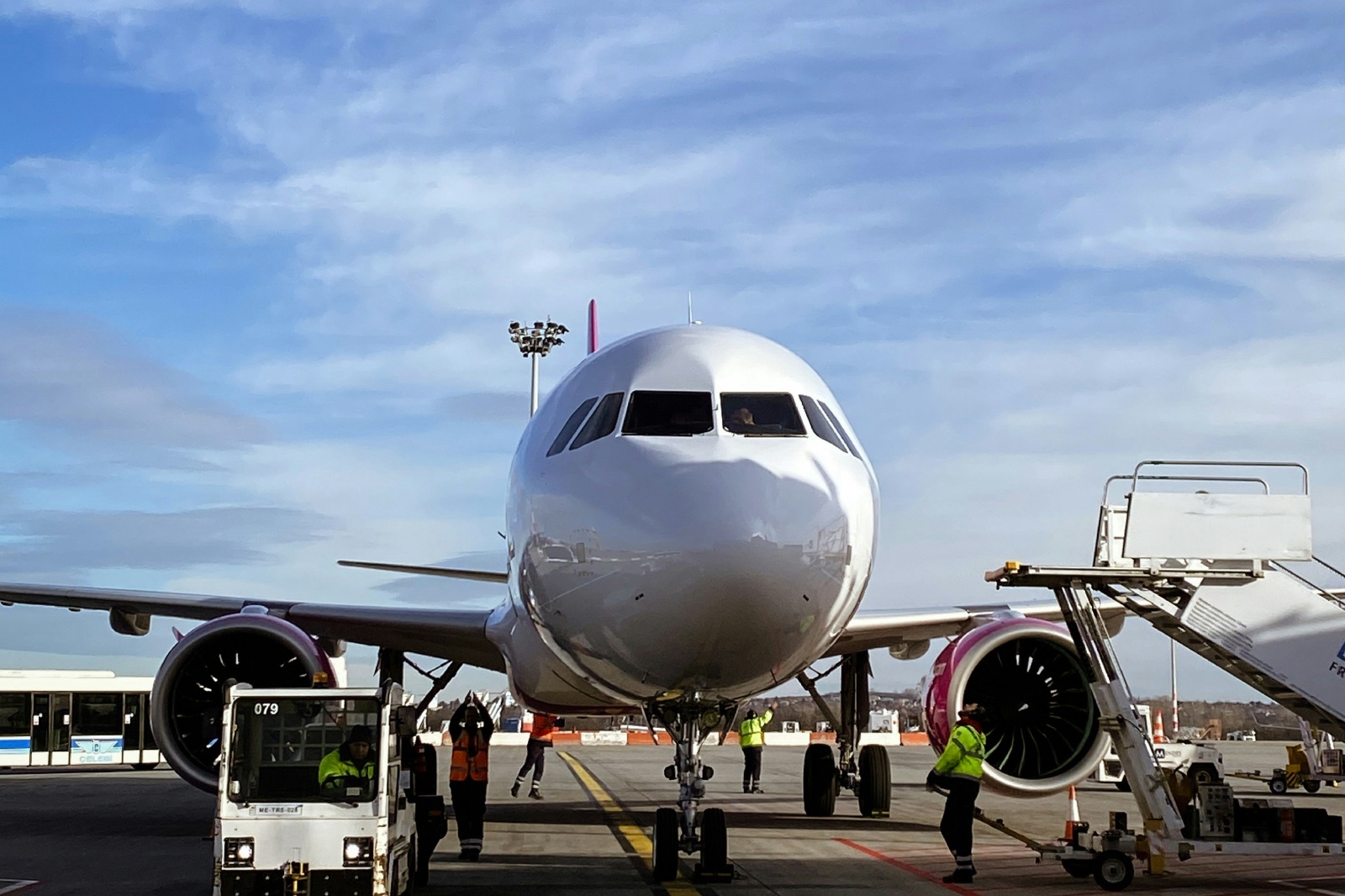
As airports face rising passenger volumes and tighter security demands, biometric technology is emerging as a transformative solution for faster, safer, and more efficient air travel.

As global air travel rebounds and passenger volumes continue to surge, airports and border control agencies are being pushed to their limits. Managing increasing demand within tight physical constraints while maintaining security standards has become a major operational challenge.
In response, the aviation industry is turning to biometric technology—particularly facial recognition—to create a faster, more secure, and seamless travel experience.
“Airports are under immense pressure to increase throughput while ensuring accuracy and safety within limited space,” says Rob Sutton, Director of Solution Enablement, Aviation at HID. “Biometric systems allow for more self-service options, enabling one supervisor to oversee multiple kiosks or gates, and passengers are increasingly open to using these technologies throughout their journey.”
The Rise of Facial Recognition
Facial recognition, one of the most widely adopted biometric technologies in aviation, is already proving to be a game-changer. Unlike manual document checks, facial biometrics can verify a passenger’s identity in seconds by comparing their face to a stored image—dramatically reducing bottlenecks at key touchpoints such as check-in, security, and boarding.
“Biometric boarding can cut processing times by up to 30%,” says Sutton. “And identity verification at security can drop to under 10 seconds. At the same time, the risk of human error and document fraud is significantly reduced thanks to sophisticated algorithms that provide highly accurate matches.”
Security is also enhanced through advanced anti-spoofing measures. HID’s systems, for example, are designed to detect “presentation attacks,” such as attempts to use photos, videos, or masks to impersonate others—offering an added layer of protection against identity fraud.
“Airports are under immense pressure to increase throughput while ensuring accuracy and safety within limited space. Biometric systems allow for more self-service options, enabling one supervisor to oversee multiple kiosks or gates, and passengers are open to using these technologies throughout their journey.”
Rob Sutton, Director of Solution Enablement, Aviation at HID
Touchless, Mobile, and Multi-Modal
The future of biometric air travel goes far beyond fixed kiosks. Sutton highlights several emerging trends that are reshaping border security technology. One of the most exciting is the rise of touchless biometrics—including contactless fingerprint and palm recognition, as well as advanced facial scanning systems that do not require any physical interaction. These technologies enhance hygiene, speed, and user comfort while improving operational efficiency.
Mobile solutions are also gaining traction. Border agents are increasingly equipped with handheld devices capable of capturing and verifying biometric data on the move, enabling real-time identity checks without relying on stationary hardware.
Another major development is the deployment of multi-modal biometric systems, which combine more than one biometric modality—such as face and fingerprint or palm—within the same platform. This layered approach strengthens verification accuracy and provides flexibility in environments with varied operational needs.
Privacy and Ethical Deployment

As with any powerful technology, the growth of biometrics in air travel raises important questions around privacy, data protection, and ethical use. Sutton emphasizes that striking the right balance requires collaboration among multiple stakeholders.
“It’s an ongoing process that involves technology providers, legal experts, regulators, and the traveling public,” he explains. “Developing clear international standards and privacy-enhancing technologies is essential to ensure that biometric deployments are secure and trustworthy.”
Organizations such as the International Air Transport Association (IATA), Airports Council International (ACI), and the International Civil Aviation Organization (ICAO) are playing a pivotal role in shaping global best practices for the ethical use of biometrics. From establishing transparent data handling protocols to enforcing consent-based participation, these efforts aim to build public confidence and drive responsible adoption.
A Glimpse Into the Future
Looking ahead, Sutton envisions a dramatic transformation in the way passengers move through airports and borders. The ultimate goal: a fully “walk-through” or “on-the-move” experience where travelers can pass seamlessly through checkpoints without needing to stop for document inspection.
Pilot programs are already exploring the use of facial recognition combined with gait analysis and other modalities to enable continuous, real-time identity verification. This shift would eliminate traditional bottlenecks and provide a smoother, more intuitive journey for travelers.
Another major development on the horizon is the Digital Travel Credential (DTC)—a concept that replaces physical passports and boarding passes with digital versions stored on smartphones or other personal devices, securely linked to a passenger’s biometric identity.
“Just as we store our credit cards in digital wallets today, we will increasingly rely on digital travel credentials,” says Sutton. “This will not only streamline the process but also reduce the risks of loss or theft.”
Toward Inclusive, Equitable Technology
As biometric systems become more prevalent, Sutton stresses the importance of ensuring fairness and accessibility for all travelers. Advancements in AI and machine learning are helping to improve algorithm accuracy across diverse demographic groups, addressing past concerns about bias and exclusion.
“All stakeholders are actively investing in R&D to improve biometric performance and inclusivity,” he says. “The goal is to create systems that work equitably for everyone, regardless of age, gender, or ethnicity.”
Biometric technology is rapidly reshaping the aviation industry—unlocking new levels of speed, convenience, and security. From facial recognition to touchless and mobile innovations, these tools are helping airports and border agencies meet the demands of modern air travel while preparing for the future.
Yet the journey toward fully biometric air travel must be guided by strong ethical standards, robust privacy protections, and a commitment to equity. With thoughtful implementation, biometric systems hold the promise to not only improve efficiency but also reimagine the passenger experience for the better.