The Digital Cockpit of the Future
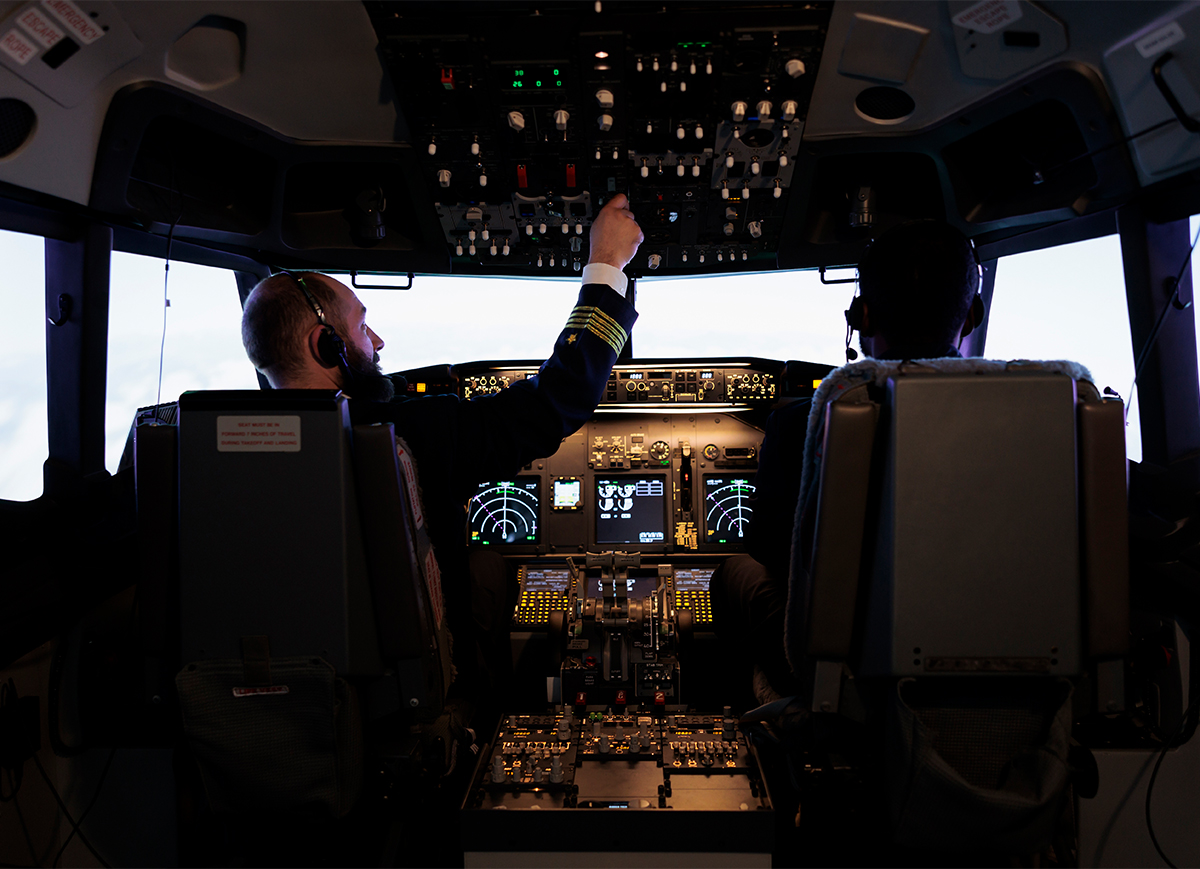
The cockpit environment in aviation has undergone continuous evolution, initially requiring only a few instruments but gradually incorporating more information due to technological advancements. The evolution has been driven by enhanced navigation equipment, increased automation, and the integration of displays for various systems.
Over the years, the main drivers behind the cockpit evolution were a continuous enhancement of navigation equipment, increasing automation capability, and the integration of displays for weather radar, traffic avoidance, and monitoring the increasingly complex engines and auxiliary systems. Additionally, a steady improvement of the ergonomics of the cockpit has been achieved by integrating the results from decades of Human Factors research.
Traditionally, the focus of aerospace enhancements was on safety and performance. The goal was to make flying safer and more efficient. However, with the changing landscape of the aviation industry, the focus has shifted towards efficiency and competitiveness. The challenge now is to strike the right balance between digital and electromechanical cockpit controls.
So, what does the future flight deck look like? Here’s what we expect.
Continued Touchscreen Advancements
Touchscreens have become integral to modern cockpit design, allowing for direct and context-sensitive interaction. The benefits of touchscreens include scalability, commonality, and the integration of heightened functionality without physical expansion. Touchscreens also have operational benefits regarding reduced crew operations, information sharing between stakeholders, and rapid aircraft start-up/take-off.
Expectations are that touchscreens will continue to gain favor over older units with small screens and deep menu control structures. These older units often have small screens and narrow but deep menu control structures. Additionally, many procedures rely on sequenced checks and actions on different panels that are placed around the cockpit, not necessarily the easiest things to maneuver at 6,000 feet high. Integrating procedures into a consolidated interface will reduce pilot workload and enhance situational awareness.
3D Audio
The implementation of 3D audio technology aims to improve situational awareness in the cockpit. By positioning audio signals in 3D space, this technology can spatially separate various simultaneous voice channels, particularly useful in areas with high communication density. The potential benefits include enhanced crew workload optimization and improved communication in complex flight scenarios.
Innovative Input Devices
Back when displays weren’t interactive, there was no requirement for input devices in cockpits. Fast forward to today after mechatronics advancements in the functionality of the displays, and the need has grown for suitable input mechanisms.
Even with the high use of touchscreens, it is still important to have a backup device just in case the touchscreen should fail. Input devices that are being studied for use in cockpits of the future include:
Trackball — A ball held in a socket and rolled using the hand or fingers — similar to a computer mouse. Trackballs are very helpful in areas with limited surface space to manipulate devices.
Rotary controller — These devices can be rotated, moved up and down and left and right, or pushed down to control the movements and actions of a cursor on a screen. These controllers have been shown to produce quicker task performance compared to other direct input devices.
Touchpad — These are made of a tactile surface capable of sensing the movement of a user’s fingers and translating them into actions of a cursor on the screen. Similar to trackballs, touchpads don’t require much room for installation and use. But, they can require more complicated manipulations than other input devices.
Direct Voice Input (DVI) — DVI is the most flexible input application that will be used in the cockpits of tomorrow. DVI can be used for a wide range of tasks like radio tuning, navigation, and checklist procedures. Currently, there are some technical issues being sorted out with DVI, like vocabulary adaptation, so it’s suitable for all accents, suppressing background noise, and the identification of individual speakers in multi-speaker environments.
Despite the increasing digitization of cockpit technology, physical components such as pilot controls, wheels, and grips remain essential. These components provide tactile feedback and serve as crucial elements for pilot interaction. Striking the right balance between digital interfaces and physical controls is crucial for maintaining a pilot’s connection with the aircraft.
As aviation technology continues to advance, the cockpit remains at the forefront of innovation. The future flight deck is poised to offer a seamless blend of digital interfaces and traditional controls, enhancing safety, efficiency, and competitiveness. Touchscreens, 3D audio, and innovative input devices are set to redefine the cockpit experience, reducing pilot workload and improving situational awareness. The evolution of aerospace cockpit technology reflects the industry’s commitment to pushing boundaries, ensuring a bright future for aviation.
قُمرة القيادة الرقمية في المستقبل
شهدت بيئة قُمرة القمرة في الطيران تطوراً مستمراً، حيث اعتمدت في البداية على عدد قليل من الأجهزة، ولكن تدريجياً استفادت من كمية أكبر من المعلومات بفضل التطورات التكنولوجية. وقد تطورت قُمرة القيادة الرقمية مدفوعة بالتطورات التي طرأت على أنظمة الملاحة وزيادة الأتمتة ودمج الشاشات المرتبطة بأنظمة متعددة.
ومع مرور الزمن، تطورت قُمرة القيادة الرقمية مع التطور المستمر لأنظمة الملاحة، وزيادة قدرات الأتمتة، ودمج الشاشات المتصلة مع أنظمة الرادار التي تراقب الطقس، وأنظمة تجنب الازدحامات في حركة المرور الجوية، ومراقبة الأنظمة الآلية المعقدة المتزايدة. بالإضافة إلى ذلك، يشهد علم الأرصاد البشرية تحسناً مستمراً من خلال دمج نتائج البحث التي تمت خلال عقود من الزمن.
ولطالما كان التركيز في التحسينات التي تطال قطاع الطيران منصبّاً على السلامة والأداء، إلا أن تغير مشهد صناعة الطيران جعل التركيز يتحول نحو الكفاءة والتنافسية. والتحدي الآن هو إيجاد التوازن المناسب بين أدوات التحكم الرقمية والكهروميكانيكية في قُمرة القيادة.
إذاً، كيف ستبدو قُمرة قيادة الطائرة في المستقبل؟ نعرض فيما يلي أبرز توقعاتنا:
التطورات المستمرة لشاشات اللمس
أصبحت شاشات اللمس جزءاً أساسياً من تصميم قُمرة القيادة الحديثة، مما يسمح بالتفاعل المباشر معها وفقاً لسير العمليات. تشمل فوائد الشاشات التي تعمل باللمس قابلية تكبير وتصغير الصورة، والاستخدامات المتنوعة، ودمج وظائف متطورة دون الحاجة إلى استبدال الشاشة بواحدة أكبر منها، كما أن للشاشات التي تعمل باللمس فوائد تشغيلية تتعلق بتقليل العمليات التي يحتاج طاقم القيادة للقيام بها، ومشاركة المعلومات بين الأطراف المعنية، والبدء السريع في تشغيل الطائرة وإقلاعها.
وتشير التوقعات إلى الاستمرار في تفضيل شاشات اللمس على الوحدات القديمة ذات الشاشات الصغيرة المزوّدة بقوائم تحكم مفصّلة. وغالباً ما تحتوي هذه الوحدات القديمة على شاشات صغيرة وقوائم تحكم صغيرة ومفصّلة في الوقت ذاته. بالإضافة إلى ذلك، فإن استخدام واجهة تحكم موحدة عبر شاشة مركزية يسهل عمل الطيارين ويخفف العبء عنهم، وذلك لأنه يغنيهم عن العديد من الخطوات التي تتطلب إجراءات متسلسلة على لوحات مختلفة موزعة حول مقصورة القيادة، وهو الأمر الذي قد يكون معقداً على ارتفاع 6000 قدم، وبالتالي فإن واجهة التحكم الموحّدة تمكّن الطيارين من السيطرة على الوضع ومراقبته بصورة أفضل.
الصوت ثلاثي الأبعاد
تهدف تقنية الصوت ثلاثي الأبعاد إلى تحسين الوعي بالوضع في قُمرة القيادة، حيث يساعد نشر الإشارات الصوتية في فضاء ثلاثي الأبعاد على فصل القنوات الصوتية المتزامنة، وهو ما يكون مفيداً بشكل خاص في حالات التواصل العالي الكثافة. وتتضمن الفوائد التي يوفرها الصوت ثلاثي الأبعاد تحسين توزيع أعباء العمل للطاقم وتحسين التواصل في سيناريوهات الرحلات المعقدة.
أجهزة الإدخال المبتكرة
لم تكن هناك حاجة لأجهزة الادخال في قُمرة القيادة في الماضي حيث لم تكن الشاشات تفاعلية آنذاك، لكن مع التقدم في الوقت والانتقال إلى الشاشات التفاعلية، ازدادت الحاجة إلى آليات إدخال مناسبة للتعامل مع الوضع الجديد.
على الرغم من الاستخدام العالي للشاشات القابلة للمس، لا يزال من المهم أن يكون هناك جهاز احتياطي في حالة فشل الشاشة في الاستجابة لأوامر اللمس. ويتم حاليا دراسة واختبار بعض أجهزة الإدخال لاستخدامها في قُمرة القيادة في المستقبل مثل:
كرة التتبّع – وهي كرة موضوعة في مقبض وتدار باستخدام اليد أو الأصابع، وهي مماثلة للماوس في الكمبيوتر. وتعتبر كرات التتبّع مفيدة للغاية عندما تكون مساحة سطح التحكم بالأجهزة محدودة.
المتحكّم الدوار – يمكن تدوير هذه الأجهزة، وتحريكها للأعلى والأسفل واليمين واليسار، أو دفعها للأسفل للتحكم في حركات وإجراءات المؤشر على الشاشة. وتساعد هذه المتحكمات على أداء المهام بصورة أسرع مقارنة بغيرها من الأجهزة المباشرة للإدخال.
لوحة اللمس – تتكون من سطح حساس للمس قادر على استشعار حركة أصابع المستخدم وترجمتها إلى إجراءات للمؤشر على الشاشة. لا تتطلب لوحة اللمس مساحة كبيرة للتثبيت والاستخدام، وهو الأمر الذي تتمتع به كرات التتبّع أيضاً، ومع ذلك، يمكن أن تتطلب لوحة اللمس عمليات تحكم أكثر تعقيداً مقارنة بغيرها من أجهزة الإدخال.
الأوامر الصوتية المباشرة – الأوامر الصوتية المباشرة هي التطبيق الأكثر مرونة الذي سيُستخدم في قُمرة القيادة في المستقبل. يمكن استخدام الأوامر الصوتية المباشرة لمجموعة واسعة من المهام مثل ضبط الراديو وأنظمة الملاحة وإجراءات القائمة التفقدية. وهناك بعض المشاكل التقنية المرتبطة بالأوامر الصوتية المباشرة والتي يتم العمل حالياً على حلّها مثل تكييف المفردات لكي تكون مناسبةً لجميع اللهجات، وكتم الضوضاء الخلفية، وتحديد هوية المتحدث في البيئات أو الأماكن التي يتواجد فيها عدة متحدثين.
بالرغم من زيادة التركيز على التكنولوجيا المُستخدمة في قُمرة القيادة الرقمية، إلا أن المكونات الفيزيائية التقليدية مثل أدوات التحكم الخاصة بالطيار والعجلات والمقابض تظل أموراً أساسية. توفر هذه المكونات ردود فعل لمسية وتعتبر عناصر حاسمة لتفاعل الطيار مع الطائرة. وإن إيجاد التوازن المناسب بين الواجهات الرقمية وأدوات التحكم الفيزيائية التقليدية هو أمر بالغ الأهمية للحفاظ على ارتباط الطيار بالطائرة.
تشهد تكنولوجيا الطيران تقدماً مستمراً، وتركز الكثير من الابتكارات فيها على قُمرة القيادة، حيث من المتوقع أن توفر قُمرة الطيران المستقبلية مزيجاً سلساً من الواجهات الرقمية والتحكم التقليدي، مما يعزز السلامة والكفاءة والتنافسية. ومن المتوقع أن تلعب شاشات اللمس وتقنية الصوت ثلاثي الأبعاد وأجهزة الإدخال المبتكرة دوراً كبيراً في الارتقاء بتجربة الاستخدام في قُمرة القيادة، مما يقلل من عبء العمل على الطيار ويحسن الوعي بالوضع. ويعكس تطور تكنولوجيا قُمرة القيادة الجوية التزام قطاع الطيران بالوصول إلى آفاق جديدة، مما يضمن مستقبلاً واعداً للطيران.

Subscribe to Our Newsletter
Keep in touch with our news & offers
Thank you for subscribing to the newsletter.
Oops. Something went wrong. Please try again later.