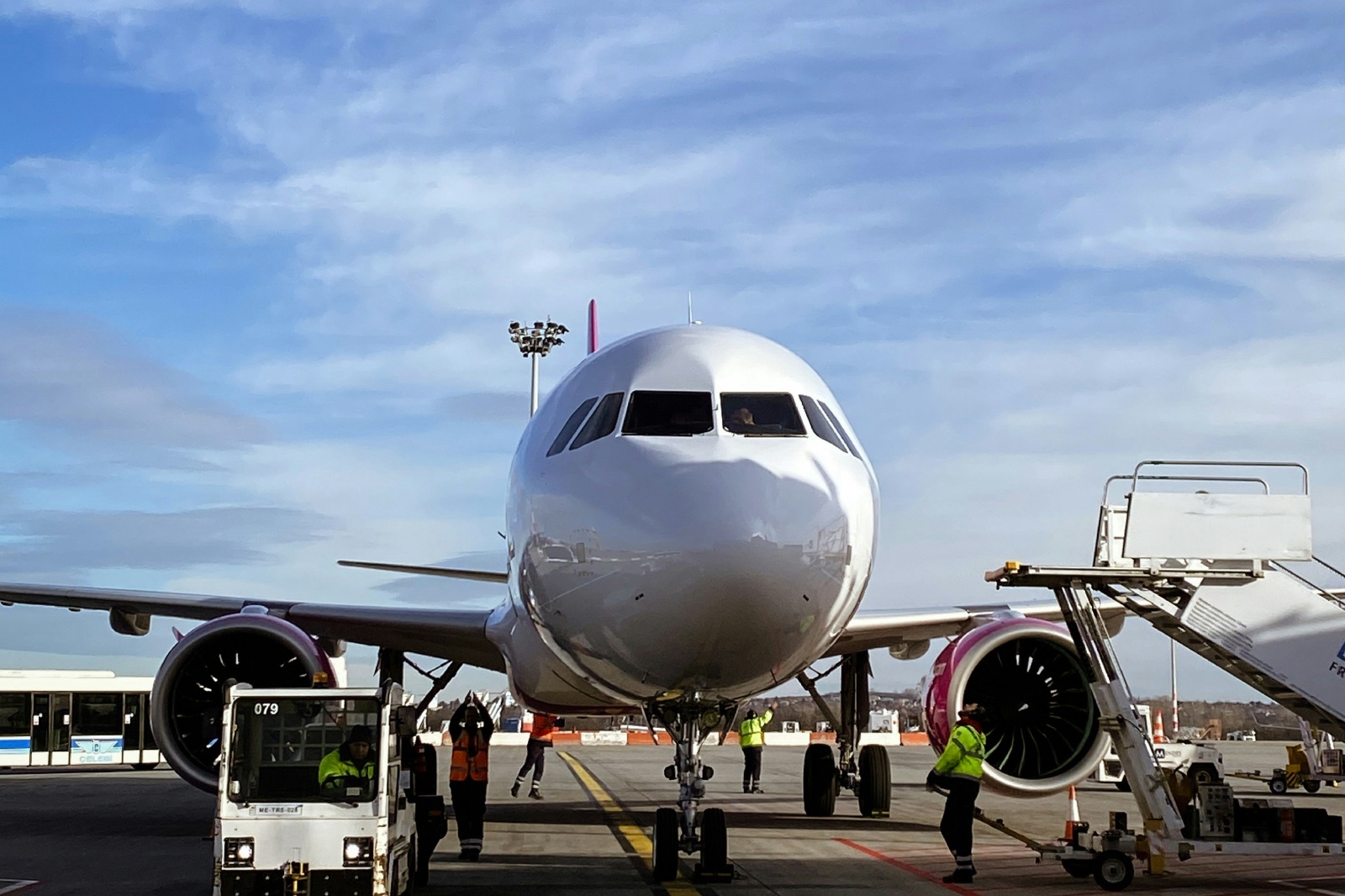
As the aviation industry continues to grow, the commitment to sustainability and decarbonisation will only become more critical.
March 11, 2025
12:47 PM
Decarbonizing aviation takes precedence for stakeholders

As the aviation industry continues to expand globally, it also faces increasing pressure to decarbonize to address its environmental impact. Currently contributing approximately 2-3% of global CO2 emissions, the sector is a significant player in the broader conversation around climate change.
However, there is a growing consensus that achieving sustainability within aviation is possible if all stakeholders—from governments to aircraft manufacturers—play their part. Shantanu Gangakhedhar, Senior Consultant & Airports Lead at Frost & Sullivan, offers key insights into the path toward decarbonising aviation, from adopting future fuels to developing a comprehensive strategy for achieving net-zero emissions.
The role of stakeholders in achieving sustainability
Gangakhedhar emphasizes that for sustainability to be effectively incorporated in the aviation industry on a commercial scale, every part of the value chain must be involved.
“Governments and regulators are crucial in developing policies, guidelines, and initiatives—both financial and non-financial—that support the adoption of sustainable technologies,” he explains.
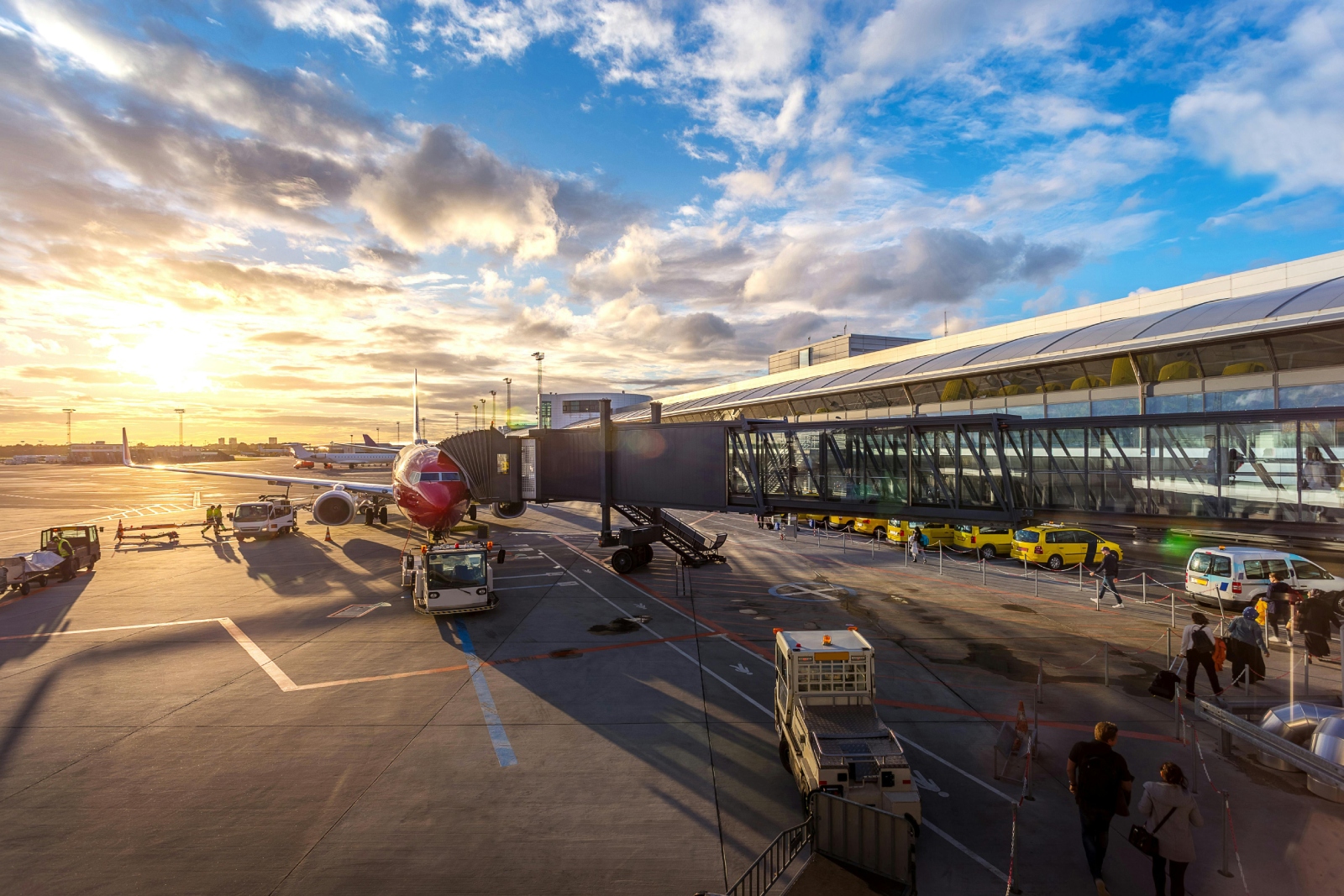
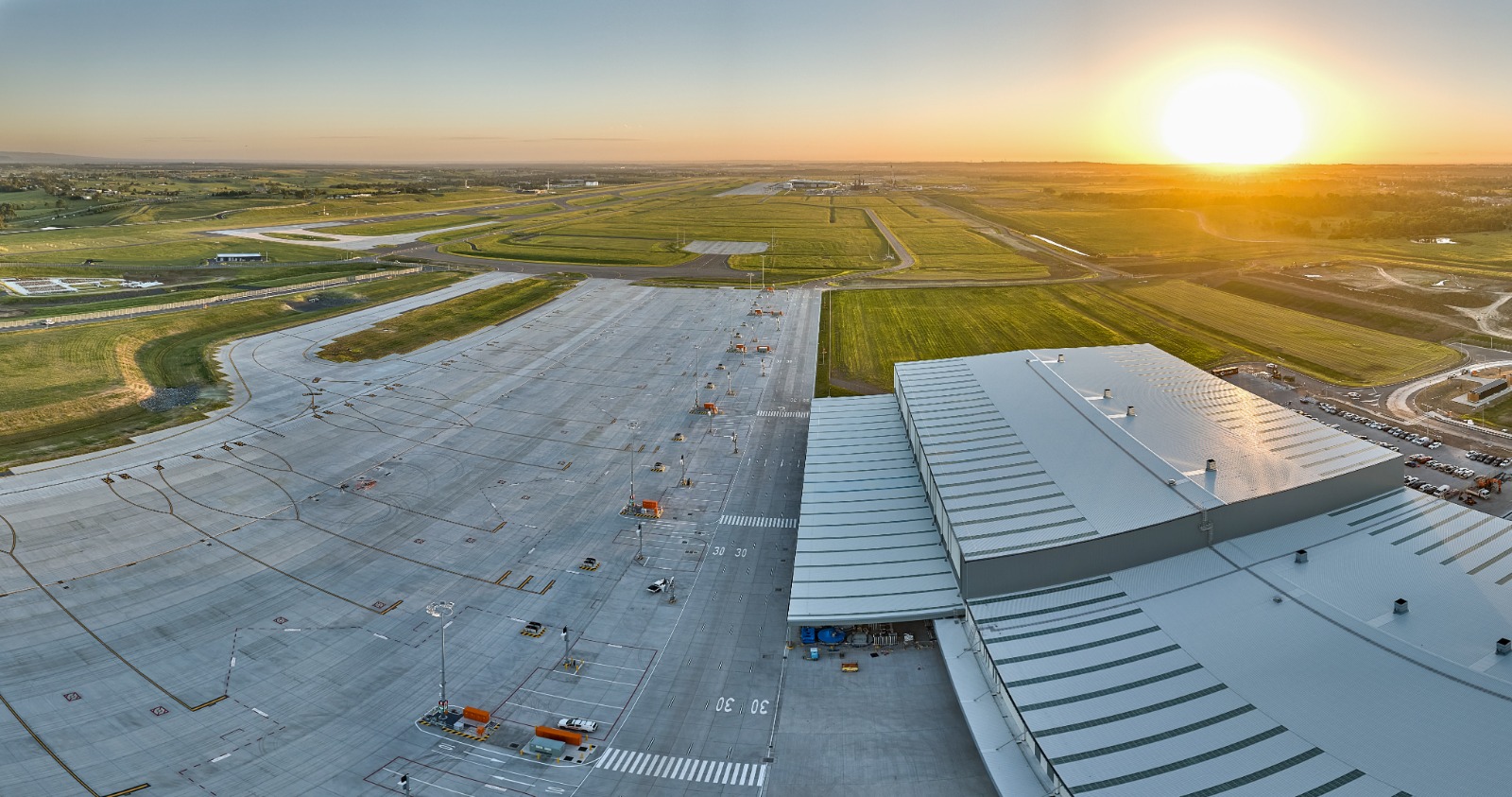
He further underscores the importance of collaboration across different stakeholders. Aircraft manufacturers and airlines, for example, need to actively work on integrating sustainable technologies, such as developing and adopting electric and hydrogen-powered aircraft. In parallel, airports must prepare the necessary infrastructure to support the use of future fuels, ensuring that the entire ecosystem is aligned to embrace these technologies.
“Without the support and involvement of all stakeholders across the value chain,” Gangakhedhar stresses, “sustainable technologies cannot be adopted at scale.” This unified approach will be essential in addressing the industry’s environmental challenges, particularly when it comes to transitioning from conventional fossil fuels to alternative options.
Reality of future fuels in aviation
While the potential for future fuels such as sustainable aviation fuel (SAF), electric power, and hydrogen is widely recognized, the reality of incorporating these fuels into the aviation industry is still in its early stages. “Currently, the industry is at a very nascent stage,” Gangakhedhar notes. Although various industry stakeholders are actively working on deploying these technologies, significant challenges remain.
“The major hurdles include the availability of these fuels, the financial aspects of scaling them up, and the maturity of the technology needed to support them on a large scale,” he adds.
These barriers are especially evident in the transition to hydrogen-powered aircraft, where the infrastructure for production, storage, and distribution is still being developed. Similarly, the cost of producing SAF and the lack of sufficient production facilities further delay its widespread adoption.
Despite these challenges, Gangakhedhar remains optimistic about the future of aviation fuels. He believes that, with time and continued collaboration between governments, regulatory bodies, airlines, and aircraft manufacturers, the technology and infrastructure will mature, paving the way for a cleaner and more sustainable aviation sector.
Strategic approach to achieving net-zero emissions
Gangakhedhar’s recent whitepaper, Decarbonising Aviation: Is ‘Net-Zero Emissions’ Achievable – And How?, provides further insights into how the aviation industry can work toward achieving net-zero emissions. According to Gangakhedhar, reaching net-zero emissions is not just a lofty goal; it is entirely feasible if the right steps are taken at the right time.
The first and most crucial step toward achieving net-zero emissions is accurately measuring emissions, an often-overlooked aspect of sustainability efforts. Gangakhedhar stresses the importance of having a clear and accurate understanding of where emissions are coming from across the entire aviation ecosystem. This includes airside operations, landside operations, terminals, and aircraft emissions.
“By measuring emissions accurately, we can identify the key sources that need to be addressed,” he explains. For example, emissions from aircraft engines, ground operations, and airport facilities all need tailored approaches for reduction. Addressing these specific sources of emissions will be essential in meeting the overarching goal of net-zero.
Once emissions are measured and key sources are identified, the next step is for all stakeholders—airlines, airports, and governments—to develop a robust sustainability master plan. This plan should outline specific goals and actions along with a clear roadmap for achieving these objectives. “This gives the wider aviation ecosystem a view of what is needed so that the required technology solutions can be developed and deployed accordingly,” Gangakhedhar says.
The development of a sustainability master plan ensures that efforts are coordinated and strategically aligned, providing clear direction for all parties involved. A well-organized roadmap also helps to mitigate the risk of fragmented or competing initiatives that may undermine the broader industry goals of decarbonisation.
Technology in decarbonisation
Central to Gangakhedhar’s vision of achieving net-zero emissions is the role that technology will play in decarbonisation. From electric and hydrogen aircraft to advanced air traffic management systems, technology offers a wide range of solutions that can help reduce emissions across the aviation sector.
However, the successful deployment of these technologies will require significant investment in both research and infrastructure. Gangakhedhar notes that governments and regulatory bodies will play a critical role in driving these efforts forward, particularly in providing incentives for innovation and adoption. “Without these financial and policy-driven incentives, the pace of technological adoption could be slower than needed,” he warns.
Additionally, Gangakhedhar highlights the importance of creating an ecosystem that is conducive to innovation. By ensuring that airports are ready to accommodate sustainable technologies and that airlines have the tools they need to transition to greener operations, the aviation sector can create the conditions necessary for widespread decarbonisation.
The path ahead
Achieving net-zero emissions in aviation is an ambitious goal, but it is one that is becoming increasingly attainable as stakeholders work together to overcome the technological, financial, and infrastructural barriers that currently exist. According to Gangakhedhar, the key to success lies in accurate emissions measurement, targeted strategies to reduce those emissions, and the development of a comprehensive sustainability master plan.
He remains optimistic about the future of aviation’s sustainability efforts, believing that with the right actions, net-zero emissions are within reach. “The transition to sustainable aviation is challenging but not impossible,” he concludes. “With the right policies, technologies, and infrastructure, aviation can play a significant role in addressing the global climate crisis.”
As the aviation industry continues to grow, the commitment to sustainability and decarbonisation will only become more critical. By taking collective action and leveraging innovative solutions, the aviation sector can achieve its goal of a greener, more sustainable future.

Shweta Nair
With over 10 years of editorial experience, Shweta has worked with reputed media organisations in India and the GCC region. As the editor of Aviation 360, she aims to bring a global perspective of the aviation industry to the publication. Apart from work, Shweta loves travelling, exploring new cultures and connecting with people from all walks of life.
Subscribe to Our Newsletter
Keep in touch with our news & offers
Thank you for subscribing to the newsletter.
Oops. Something went wrong. Please try again later.