The CEO of Western Sydney International Airport offers a closer look at the thinking behind one of Australia’s most anticipated aviation projects.
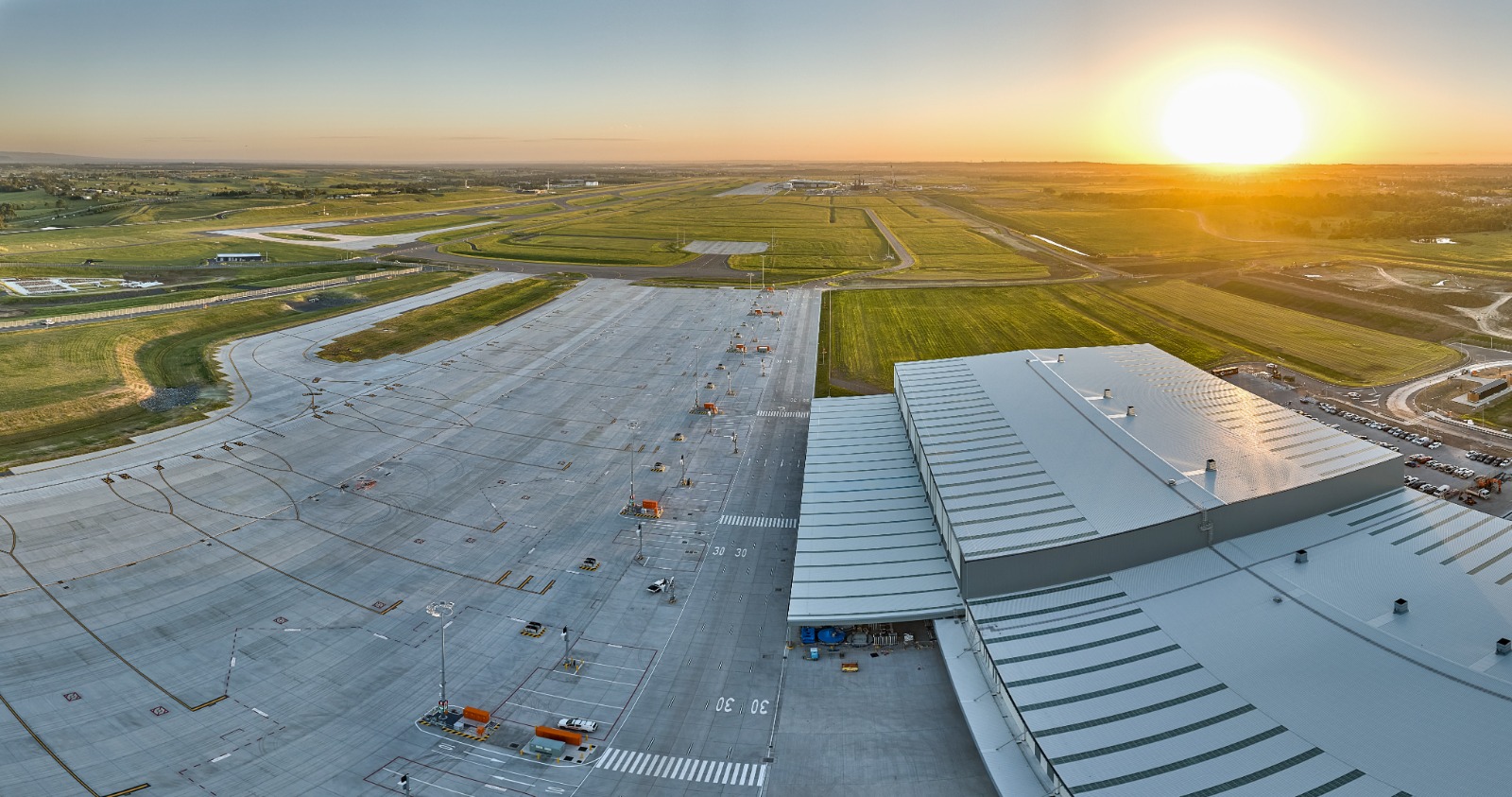
Western Sydney International isn’t just a new set of gates; it’s a total rethink of aviation. From a massive 24/7 cargo precinct to a terminal inspired by the Blue Mountains, here is how the ‘Greenfield’ advantage is changing the game for Sydney.
There’s something fitting about an airport built for the future carrying the name of a woman who refused to be limited by her time. Western Sydney International (Nancy-Bird Walton) Airport – or WSI – isn’t just Sydney’s newest aviation hub; it’s a bold rethinking of how airports can serve people in a world that never really switches off.
Set to open in October 2026, WSI arrives with a clear promise: simplicity, accessibility and round-the-clock connectivity.
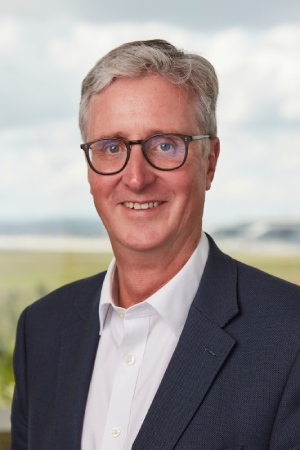
CEO, Western Sydney International
But what truly gives WSI its identity goes beyond infrastructure or technology. It lies in the legacy of Nancy-Bird Walton, the pioneering pilot whose name the airport proudly carries. Long before advanced navigation systems and modern aircraft, she was flying across regional New South Wales with little more than instinct, determination, and a deep sense of purpose. Known as the “Angel of the Outback,” she didn’t just embrace aviation; she used it to connect communities and save lives.
To understand how this vision is being brought to life, we spoke with Simon Hickey, CEO of Western Sydney International (Nancy-Bird Walton) Airport, who offers a closer look at the thinking behind one of Australia’s most anticipated aviation projects.
Leveraging its ‘Greenfield’ status
The freedom of WSI’s ‘greenfield’ status has translated the airport into something more than just operational efficiency – it has enabled a complete reimagining of the passenger experience.
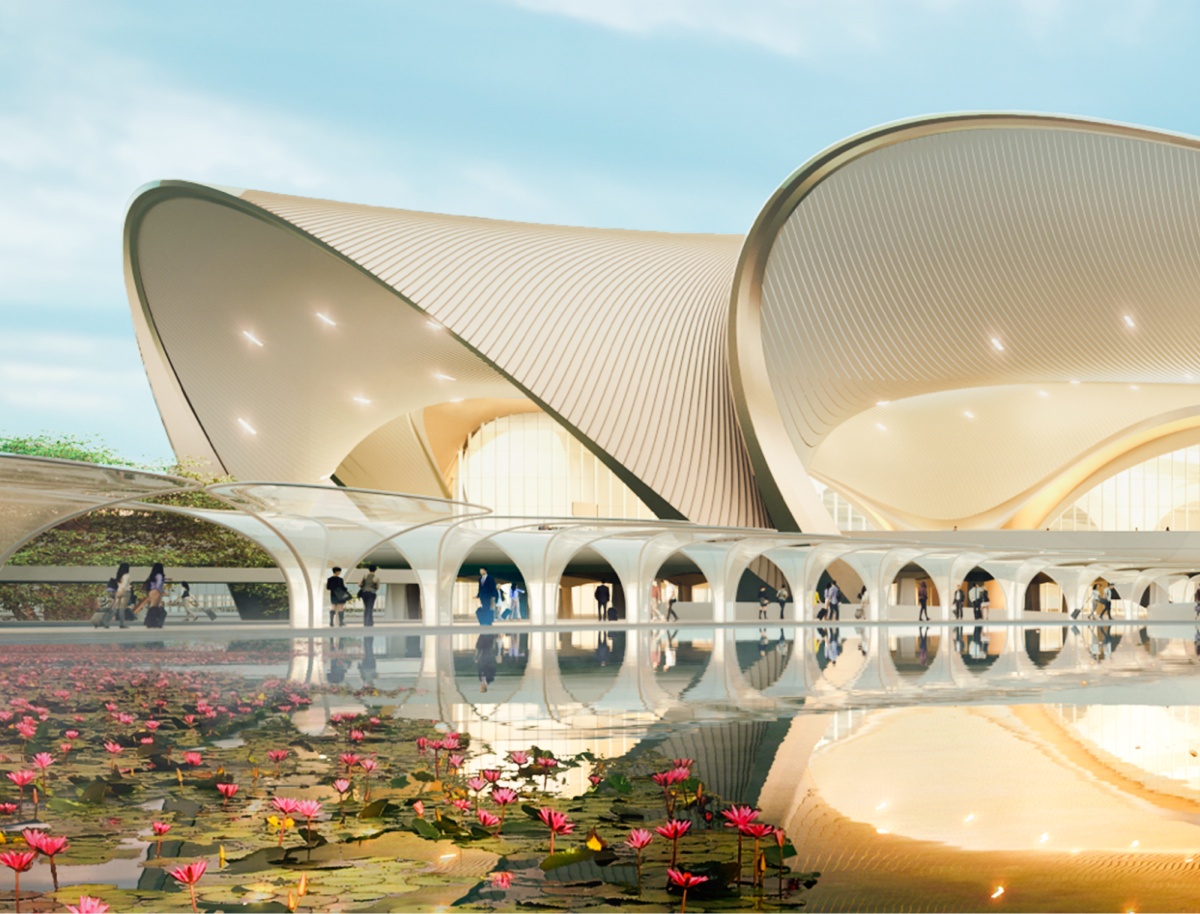
According to Hickey, the vision was always to strike a balance between functionality, design and a strong sense of place. “As a greenfield airport, we’ve had a unique opportunity to create an innovative and efficient airport experience that puts our customers at the centre of the journey, while creating a beautiful space that reflects the region’s cultural identity and stunning landscapes,” he explains.
“We didn’t have to choose between top-tier architecture and design and operational efficiencies – rather, we were able to seamlessly integrate all of these considerations.”
Bringing that vision to life has been a collaborative effort involving some of the world’s leading design and construction names. He says, WSI’s design and construction partners worked over many years to help bring the terminal to life – from the initial design concepts by COX Architecture and Zaha Hadid Architects, to the design and construction by Multiplex and Woods Bagot; with overall project delivery alongside WSI by Bechtel.
Now, nearly seven years on, the airport is approaching a major milestone. “WSI is on the precipice of launching a seamless and stress-free airport experience unlike any other in Australia, giving our global city a 24-hour international gateway that will continue to create significant economic opportunities.”
Beyond efficiency and innovation, the terminal also tells a deeper story, one rooted in its surroundings. “The terminal design is emblematic of the World Heritage-listed Greater Blue Mountains Area as well as the Cumberland Plain and the region’s incredible First Nations culture and history,” Hickey notes, reinforcing how the airport reflects both the landscape and the community it serves.
Focus on sustainability
As Australia’s newest airport, “we have had the unique opportunity to design and deliver an airport that is committed to sustainability from the beginning,” the CEO emphasises.
WSI implemented an on-site concrete batch plant – a move that significantly reduced transport requirements. “The plant minimised the need for transportation to off-site batching facilities, thereby significantly reducing fuel consumption and associated greenhouse gas emissions and potential impacts on local roads.”
Beyond emissions, the initiative also improved efficiency and reduced waste. By producing concrete on demand, contractors were able to adjust volumes in real time-based on-site conditions, avoiding unnecessary excess.
“Water used in batch production could be recycled for dust suppression or other construction,” he adds, highlighting how even smaller operational details were aligned with broader sustainability goals. The plant also utilised GreenPower, further cutting emissions during construction.
“At WSI, we know that sustainability is about how we design, construct and operate. It’s also about our positive impact on the community – the people and their prosperity, as well as the planet.”
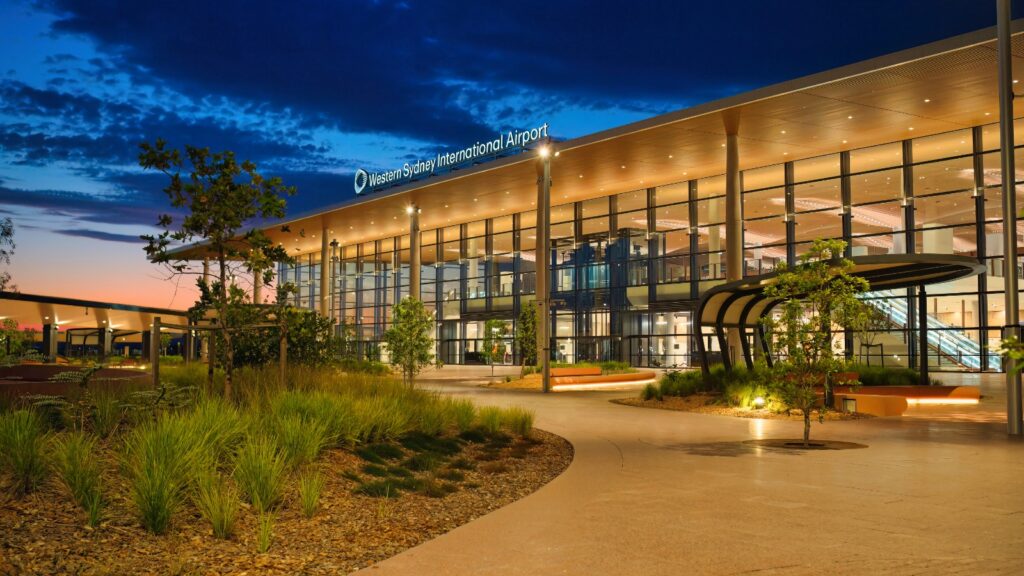
The airport’s design incorporates energy-efficient systems, natural lighting and climate-responsive architecture to reduce environmental impact while enhancing passenger comfort.
Road networks and transport connections are designed to minimise bottlenecks and reduce travel times, ensuring passengers can move in and out of the airport with ease.
Airport experience standards
For Hickey, the timing and scale of the project offered a rare chance to challenge convention and redefine what passengers should expect from a modern airport. “WSI is the future of aviation in Sydney and the city’s only 24-hour international gateway. Even on a global scale, developing a major greenfield airport is a rare undertaking – in Australia, it hasn’t occurred in more than 50 years.”
Rather than inheriting outdated systems, the new airport has been designed for the way people travel today and tomorrow. “WSI is an airport built for the next century. Compared to legacy airports, WSI provides a more service-oriented experience with integrated journey planning at its heart,” he remarks.
That means a more personalised and efficient journey from start to finish. They have designed customised and pre-planned processes that will create a tailored journey from home to destination, using the best technology and latest systems.
“Our integrated terminal, common-use infrastructure, world-leading check-in and baggage handling, and innovative swing gate design are all ways we’ve learned from airports around the world to create a modern, seamless customer experience,” says Hickey.
WSI Cargo Precinct
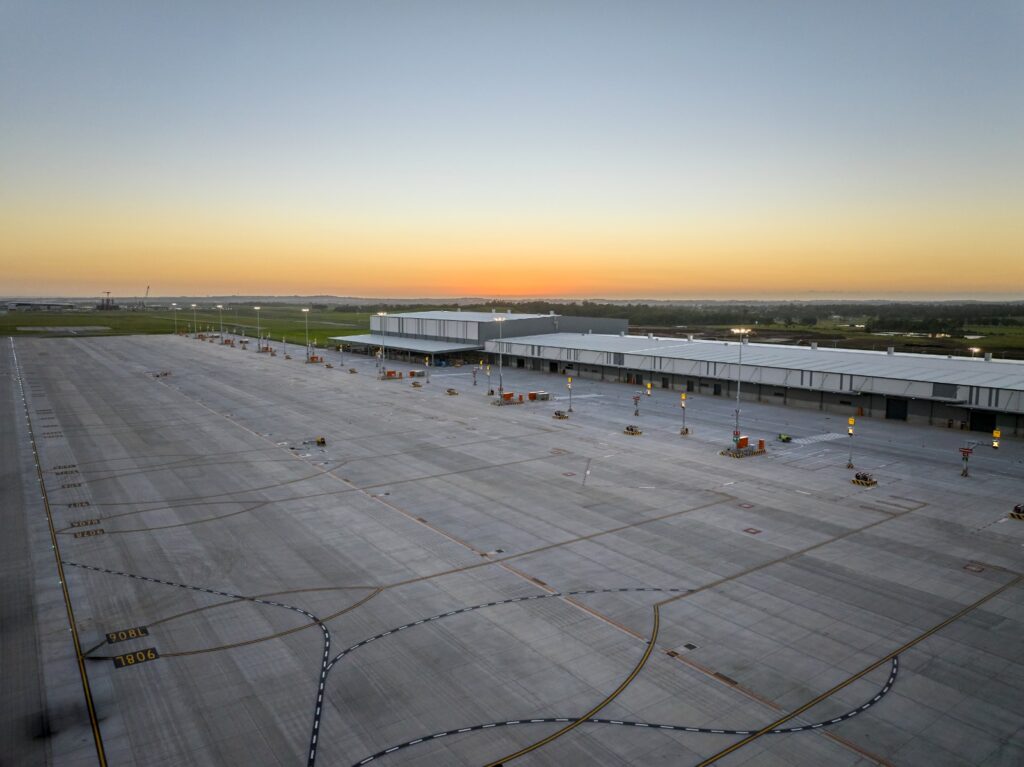
WSI’s Cargo Precinct is set to play a transformative role in reshaping air freight across the region. From day one, it will significantly expand Sydney’s cargo capabilities, with an initial capacity of at least 220,000 tonnes annually – a figure amplified by the airport’s 24/7 operations.
Designed with long-term growth in mind, the precinct is expected to scale up to handle approximately 1.8 million tonnes of freight per year. “WSI’s Cargo Precinct will become the centre of air freight for the region, underlining its importance to both national and global supply chains,” says Hickey.
The impact of the precinct extends well beyond logistics. It is expected to become a major driver of employment and economic activity across Western Sydney. “To date, WSI has supported thousands of jobs, and I’m delighted to confirm that the Cargo Precinct will be a major source of jobs into the future as well.”
As e-commerce continues to surge, this facility is well positioned to meet rising demand. Its location within Australia’s “golden triangle” linking Brisbane, Sydney and Melbourne, places it close to the country’s largest consumer base.
High-volume systems connecting air and road transport, along with dedicated access routes, ensure fast and efficient movement of goods. The precinct’s separation from the passenger terminal and direct links to major road infrastructure further streamline operations.
Sydney airports working together
WSI is set to complement rather than compete with Sydney Kingsford Smith Airport by offering more choice and boosting capacity.
“As Sydney’s only 24-hour international airport, we have a unique opportunity to change the aviation market for the better, travellers from all segments will have more choice on when, where and how they fly,” the CEO states.
The airport’s 24-hour operations will open up peak time slots, making it easier for international carriers to connect passengers to global hubs. “WSI will be the catalyst for a substantial increase in peak time slots, encouraging current and new operators to take advantage of the new timeslots.”
Starting with a 10 million annual passenger capacity, WSI has long term plans to “eventually increase the capacity to more than 80 million passengers each year in the 2060s, akin to London’s Heathrow today,” says Hickey. “WSI is incredibly important in uplifting Sydney’s aviation capacity, creating new opportunities for cargo businesses and delivering billions in economic benefits for our city and nation.”
This strategy ensures both Sydney airports can thrive together, meeting growing demand while expanding choice and connectivity.