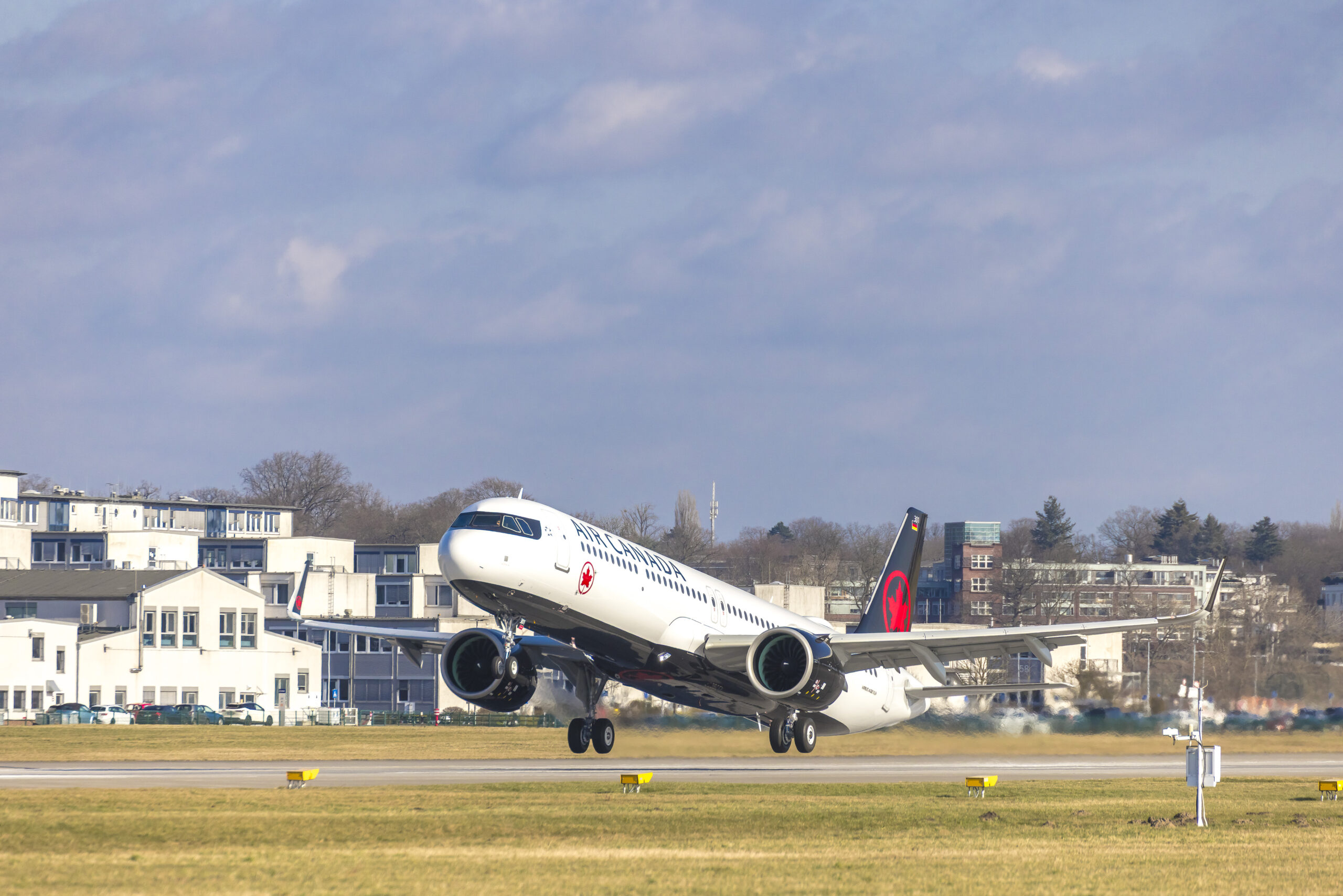
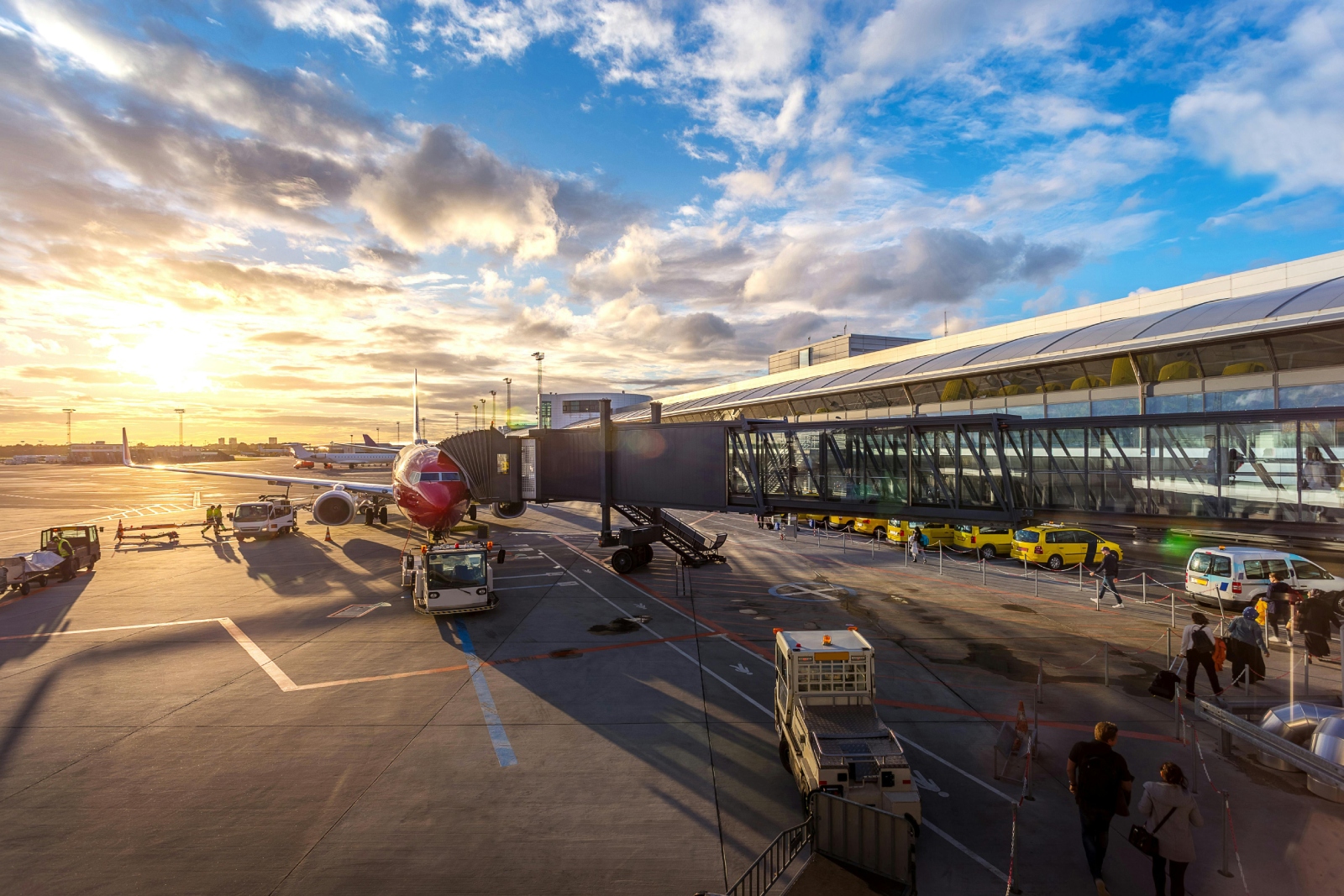
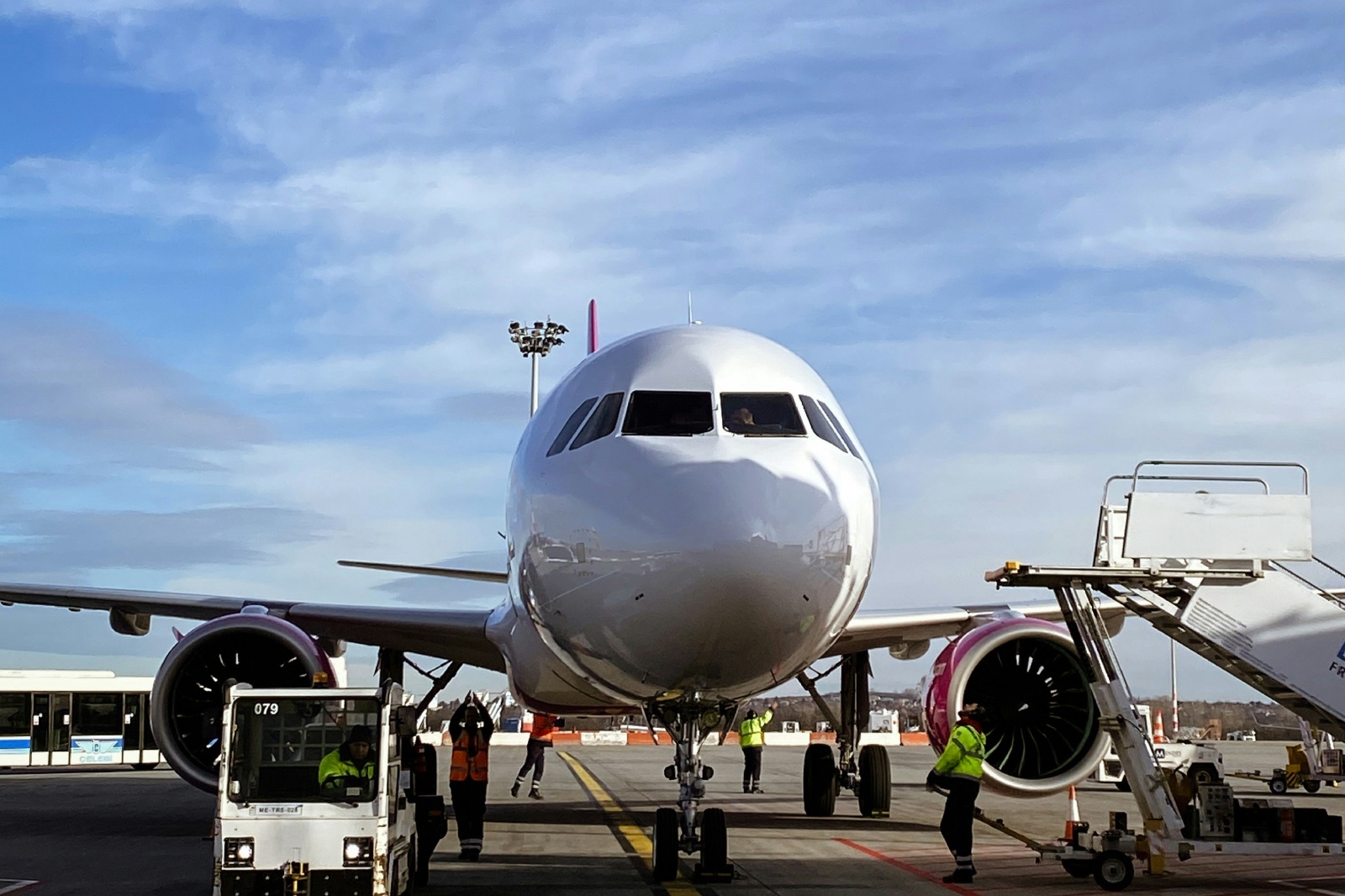
Owing to the heat wave in Leh-Ladakh, major Indian airlines have cancelled flights from the region since Saturday, 27 July, a news report stated. The temperatures has climbed as high as 36 degree Celsius in the chilly desert. "The report said that the flight operations have been hampered due to the heatwave. The air is …
July 31, 2024
5:37 AM
Flights cancelled due to heat wave in Leh’s cold desert
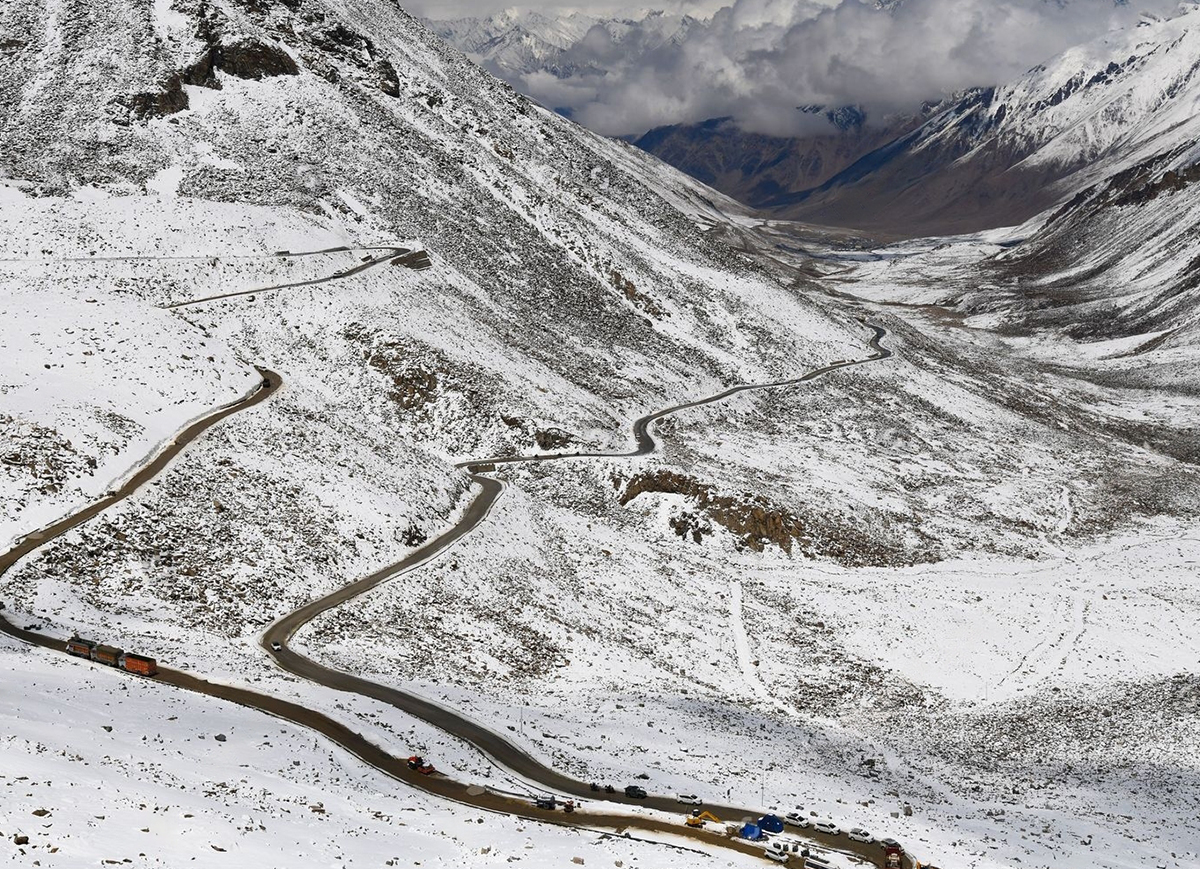
Owing to the heat wave in Leh-Ladakh, major Indian airlines have cancelled flights from the region since Saturday, 27 July, a news report stated. The temperatures has climbed as high as 36 degree Celsius in the chilly desert.
“The report said that the flight operations have been hampered due to the heatwave. The air is already very thin at such high altitudes. The heatwave only worsens the situation. Very thin air is extremely dangerous for the air engines of the aircraft,” the TOI report added.
There has been a sudden increase in daytime temperatures in the region, which has had major effects for air traffic, leading to severe impact on flight operations at Leh’s Kushok Bakula Rimpochee Airport.
Usually Leh sees an average of 15–16 flights arrive and depart on an everyday basis, however, the rising temperatures have caused disruptions in flight operations. Saturday alone saw cancellation of two flights, on Sunday it was four, and Monday saw six cancellations.
Why is this worrisome?
Being one of the highest airports in the world, Kushok Bakula Rimpochee Airport in Leh faces particular difficulties because of its altitude. High altitude air density is already lower, and the recent temperature increase has made it even lower.
Flying in thinner air can be dangerous since it requires more effort from aircraft engines to produce enough lift and thrust, which can be greater than an aircraft’s operational capabilities.
This heatwave has impacted not just the commercial airlines but also on the Indian Air Force, the report stated, adding that the thin air lowers the fighter and helicopters’ ability to carry load. Furthermore, because the oxygen levels are lower in high-altitude locations like Leh, travellers are more likely to get altitude sickness.
This heatwave has been an alarming indication of the wider effects of global warming.
“This is probably the first time that flights have been cancelled because of high temperatures. Last year, the temperature was not so high as to affect flights,” an official from Leh airport said in the news report.

Subscribe to Our Newsletter
Keep in touch with our news & offers
Thank you for subscribing to the newsletter.
Oops. Something went wrong. Please try again later.