India is creating an environment where airlines can access world-class leasing services without leaving its borders.
August 19, 2025
8:00 AM
This is how GIFT IFSC aims to anchor aircraft leasing in India

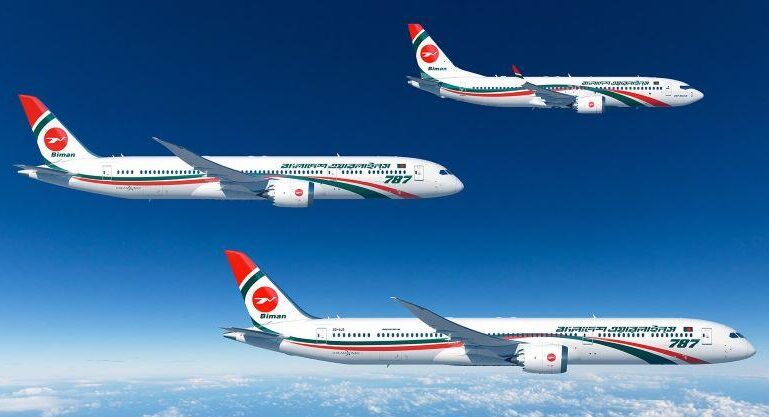
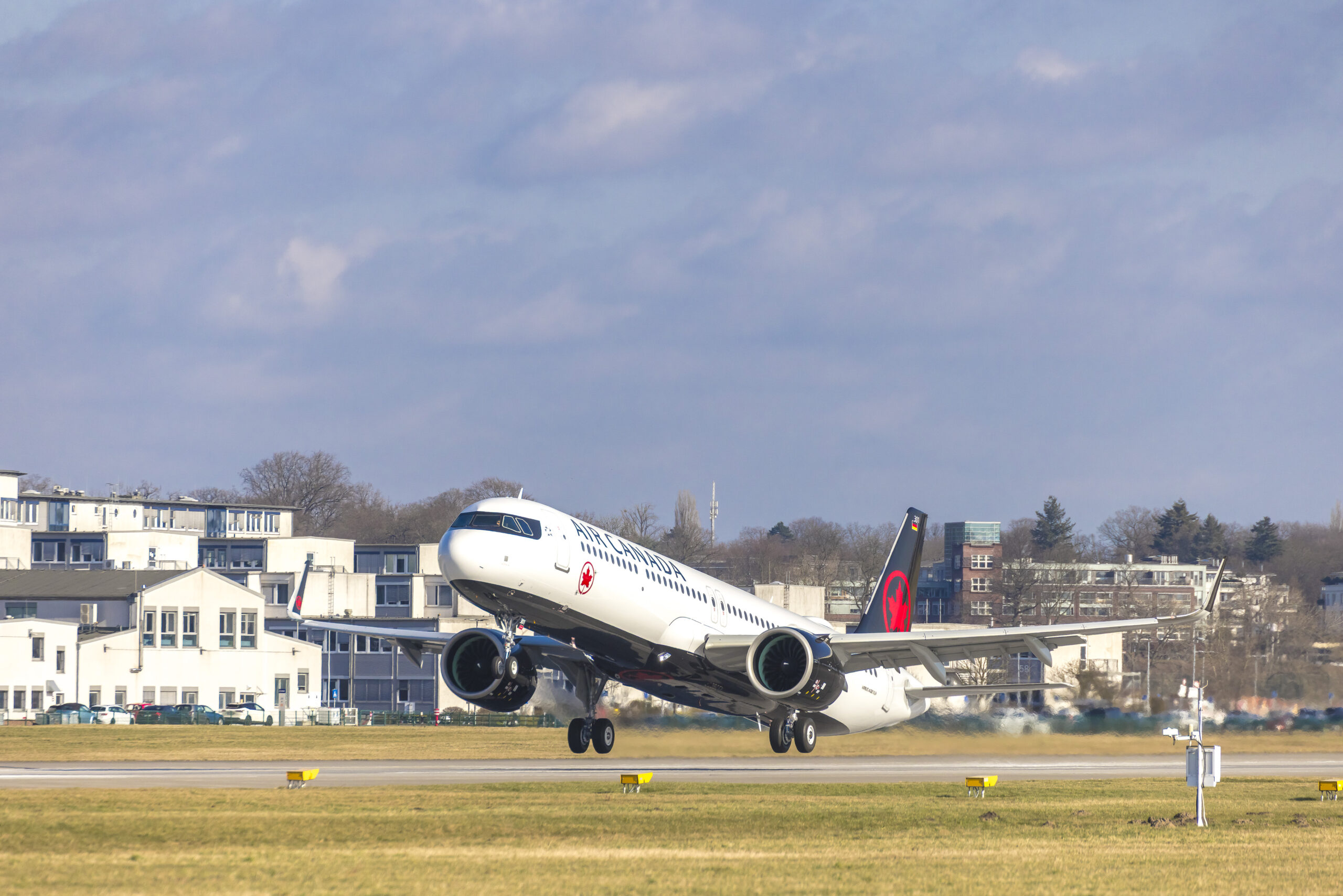
In the commercial aviation world, the economics of fleet expansion are shaped by one fundamental truth: buying aircraft outright is capital-intensive.
A single commercial jet can cost anywhere from ₹432 crore (USD 50 million) to ₹864 crore (USD 100 million). For airlines operating in a competitive, margin-sensitive market, tying up this kind of capital in outright purchases is rarely viable.
Instead, leasing and financing arrangements have become the norm—offering airlines a way to spread costs over time, preserve cash flow for operations, and scale fleets in line with market demand. Today, India is taking steps to bring more of this business home through the Gujarat International Finance Tec-City International Financial Services Centre (GIFT IFSC).
Why Leasing Matters?
Aircraft are among the most expensive assets in transport. Leasing provides three key advantages:
- Cost management: Payments are spread across years, easing cash flow pressures.
- Capital preservation: Funds can be directed towards route expansion, service upgrades, or technology investments.
- Fleet flexibility: Operators can resize or modernise fleets without being locked into long-term ownership commitments.
The models vary—financial leases often lead to ownership after the lease term; operational leases are shorter-term and keep asset risks with the lessor; and sale-and-leaseback deals allow airlines to unlock capital tied up in owned aircraft while retaining operational control.
Learning from Global Leader
Ireland has long been the world’s aircraft leasing hub, backed by low corporate tax rates, zero VAT on leasing, and a strong double taxation treaty network. These policies have created an attractive environment for global lessors.
India’s GIFT IFSC is designed to compete on this stage—leveraging tax incentives, regulatory clarity, and access to international capital to reduce reliance on foreign lessors and keep more aviation finance within the country.
The GIFT IFSC Advantage
Established in Gujarat as a gateway for global financial services, GIFT IFSC is emerging as a dedicated platform for aviation leasing and financing. Key drivers include:
- Tax breaks and incentives: Competitive fiscal policies to attract both domestic and international lessors.
- Regulatory reforms: Measures like the Protection of Interests in Aircraft Objects (PIAO) Bill provide clear repossession rights, reduce legal disputes, and boost investor confidence.
- Global integration: The framework allows Indian lessors to tap into international capital markets, ensuring competitive financing options.
A Breakthrough Deal
One of the most significant milestones came when Axis Bank structured the first aircraft financing deal through GIFT IFSC for AI Fleet Services Ltd (AIFS), Air India’s leasing arm. The long-term loan financed 34 training aircraft—31 single-engine planes from Piper Aircraft Corporation and three twin-engine models from Diamond Aircraft.
The aircraft will support Air India’s upcoming pilot training academy in Amravati, Maharashtra—a step that not only strengthens the airline’s talent pipeline but also demonstrates the viability of domestic aircraft financing.
Given that over 80% of Indian airlines currently lease their fleets from foreign lessors, this deal signals a shift towards homegrown solutions that can reduce costs and currency risks.
Broader Industry Impact
A strong domestic leasing and financing ecosystem can transform Indian aviation:
- Economic growth: Reduced financing costs can accelerate fleet expansion and route development.
- MRO and ancillary growth: Local leasing can stimulate demand for domestic maintenance, repair, and overhaul (MRO) services, creating jobs and supply chain opportunities.
- Global competitiveness: Indian carriers with better cost structures and financing flexibility will be better positioned to compete internationally.
Market Outlook
India’s air travel demand is set to surge, driven by urbanisation, rising incomes, and expanding regional networks. Massive aircraft orders—such as Air India’s 570-aircraft Vihaan.AI strategy—highlight the scale of capital required.
Leasing remains the most practical solution, and GIFT IFSC’s continued regulatory refinements, coupled with global integration, could position India alongside Ireland and other established hubs in the aircraft leasing business.
A Strategic Shift for Self-Reliance
The move to develop a robust leasing and financing base in GIFT IFSC represents more than an operational change—it’s a strategic step towards self-reliance in aviation. By combining financial innovation, legal certainty, and infrastructure support, India is creating an environment where airlines can access world-class leasing services without leaving its borders.
As the sector rebounds post-pandemic, this integration of domestic capability with international best practices will not only help modernise fleets but also boost economic connectivity, generate employment, and strengthen India’s position in global aviation finance.
In short, GIFT IFSC is not just a financial hub—it’s becoming a cornerstone in India’s aviation growth story.

Subscribe to Our Newsletter
Keep in touch with our news & offers
Thank you for subscribing to the newsletter.
Oops. Something went wrong. Please try again later.