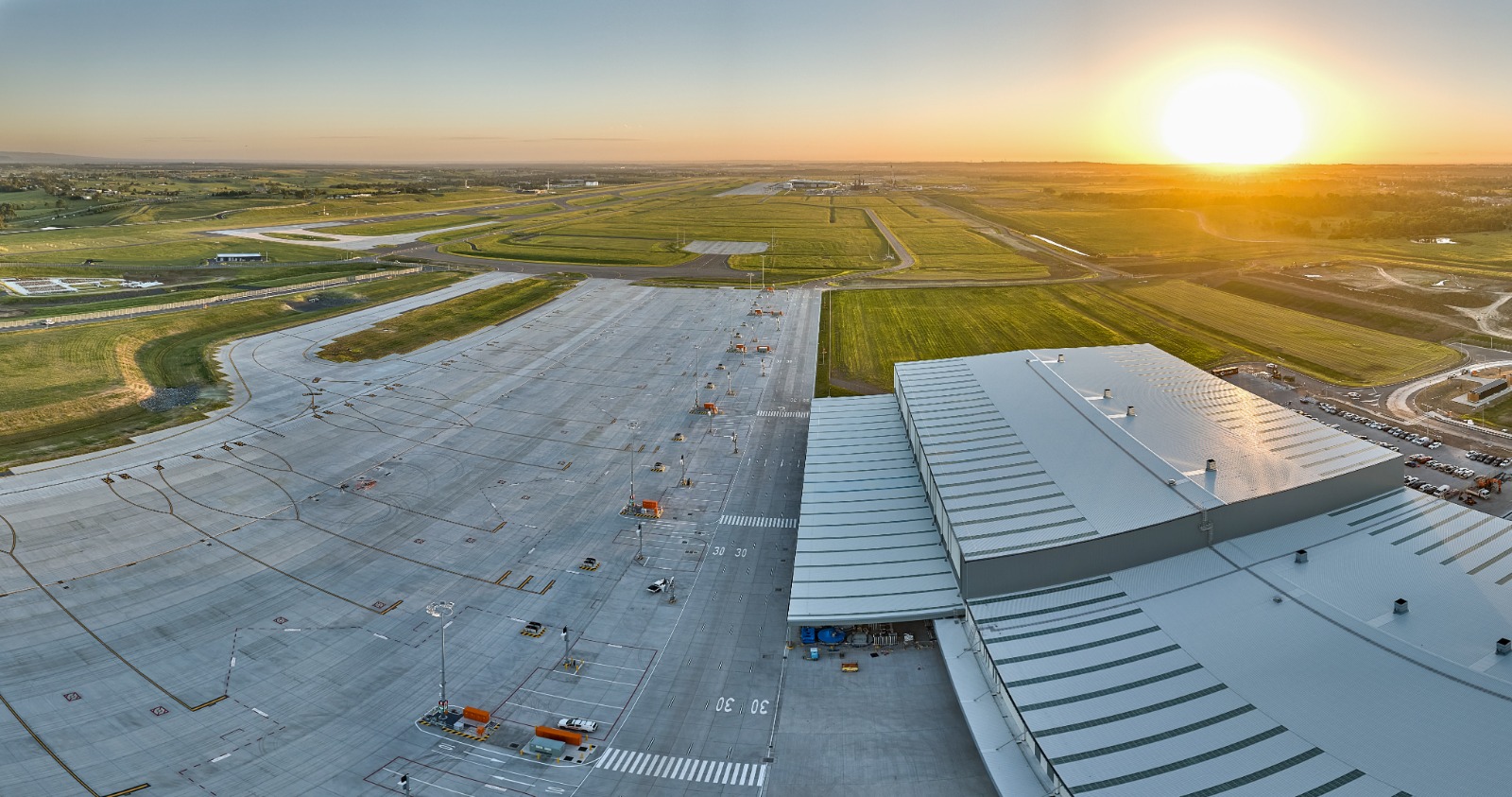
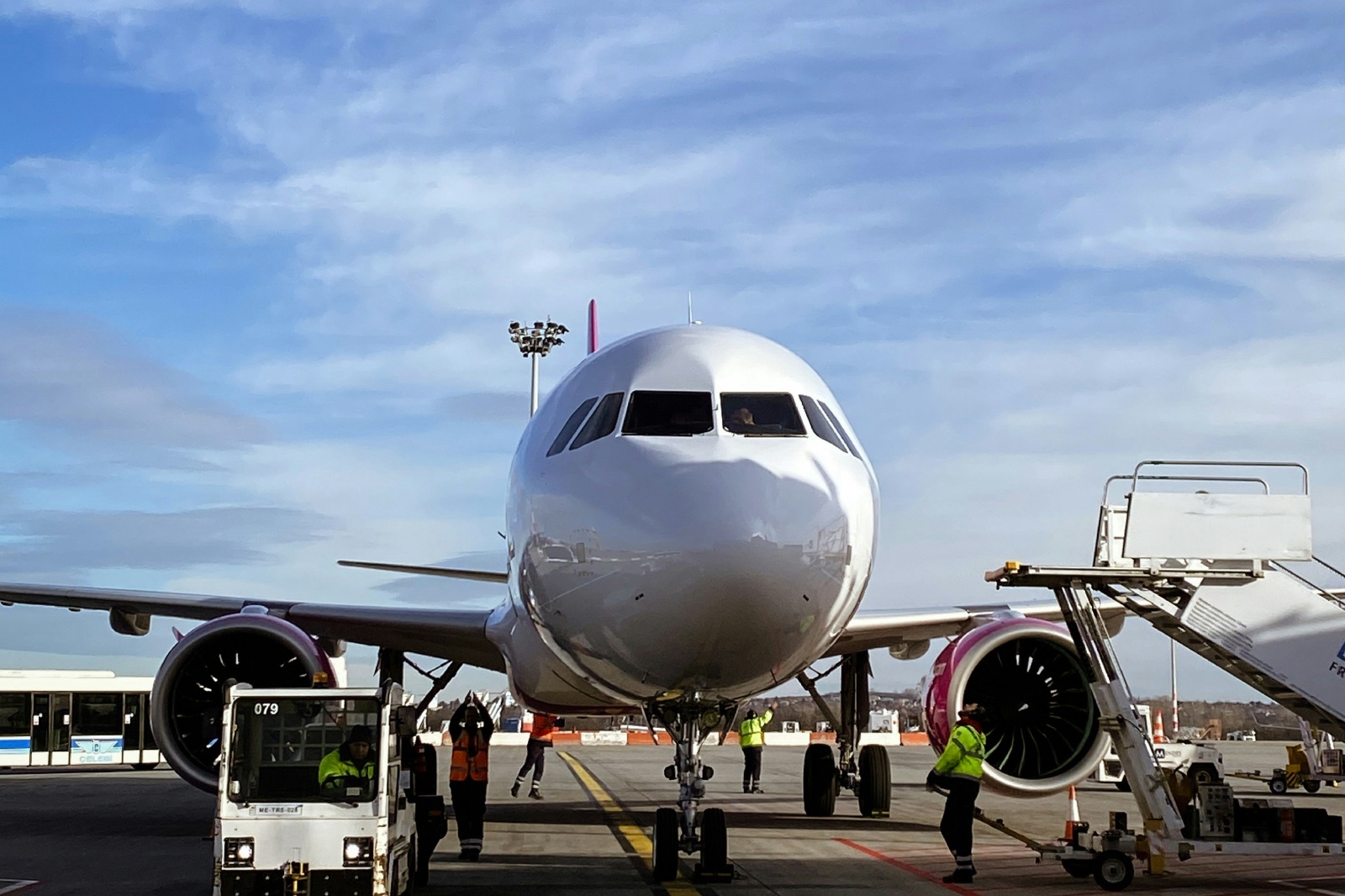
As India continues its bold leap into the future, airports will not just mirror our ambitions- they will amplify them, writes Harsh Varshneya.

In today’s rapidly transforming India, airports are evolving into more than just transit points- they are becoming symbols of national ambition and urban renewal. As dynamic public infrastructure, they not only connect regions but also spark economic growth, celebrate cultural identity, and showcase our commitment to sustainable innovation.
As catalysts for economic vitality, cultural exchange, and environmental innovation, airports are emerging as critical urban infrastructure that reflects a nation’s aspirations and its commitment to resilience.
In an era defined by rapid technological advancements and evolving traveler expectations, airports are undergoing a transformation to become more than just transit hubs.
The future of airport design is centered around creating holistic and immersive experiences for passengers while ensuring sustainability, efficiency, and adaptability. They are becoming destinations in themselves, offering unparalleled experiences and cutting-edge facilities.
Airports as engines of local impact in tier 2 cities
Tier 2 cities, often overlooked in the shadow of their metropolitan counterparts, experience a surge in economic activity when equipped with a well-functioning airport. Enhanced connectivity attracts businesses and investments and opens up new avenues for trade and tourism.
The establishment of airports also results in an increase in the number of skilled jobs, providing employment opportunities for residents and attracting talent from other cities. This not only boosts the local economy but also enhances the skill level of the workforce.
Moreover, airports instill a sense of pride among the people as they become associated with the urban infrastructure that symbolizes progress and development. This pride contributes to the city’s overall sense of community and identity.
Airports promote the local context and history of the city, attracting visitors who contribute to the local economy. They also help promote local industries by providing them access to Tier 1 and global markets.
As India continues its growth trajectory, the strategic development of airports in Tier 2 cities will undoubtedly play a pivotal role in shaping the nation’s future.
Passenger experience all through the way
In designing for the future consumer and user, we must first understand the changing nature of travel and transportation. With advancements in technology and shifting societal norms, the way we travel is constantly evolving.
This requires us to design flexible and adaptable airports that can accommodate new technologies and modes of transportation. Recent global events, economic shocks and pandemics have underscored the importance of flexibility and resilience in airport design.

By creating fluid designs that adapt to changing circumstances, we can ensure that airports remain functional and relevant in the face of uncertainty.
This approach enhances the airport’s ability to respond to crises and fosters a sense of security and stability in the community. By enhancing current systems with smart technologies, such as self-service kiosks and biometric scanners, airports can streamline the check-in process and improve overall safety.
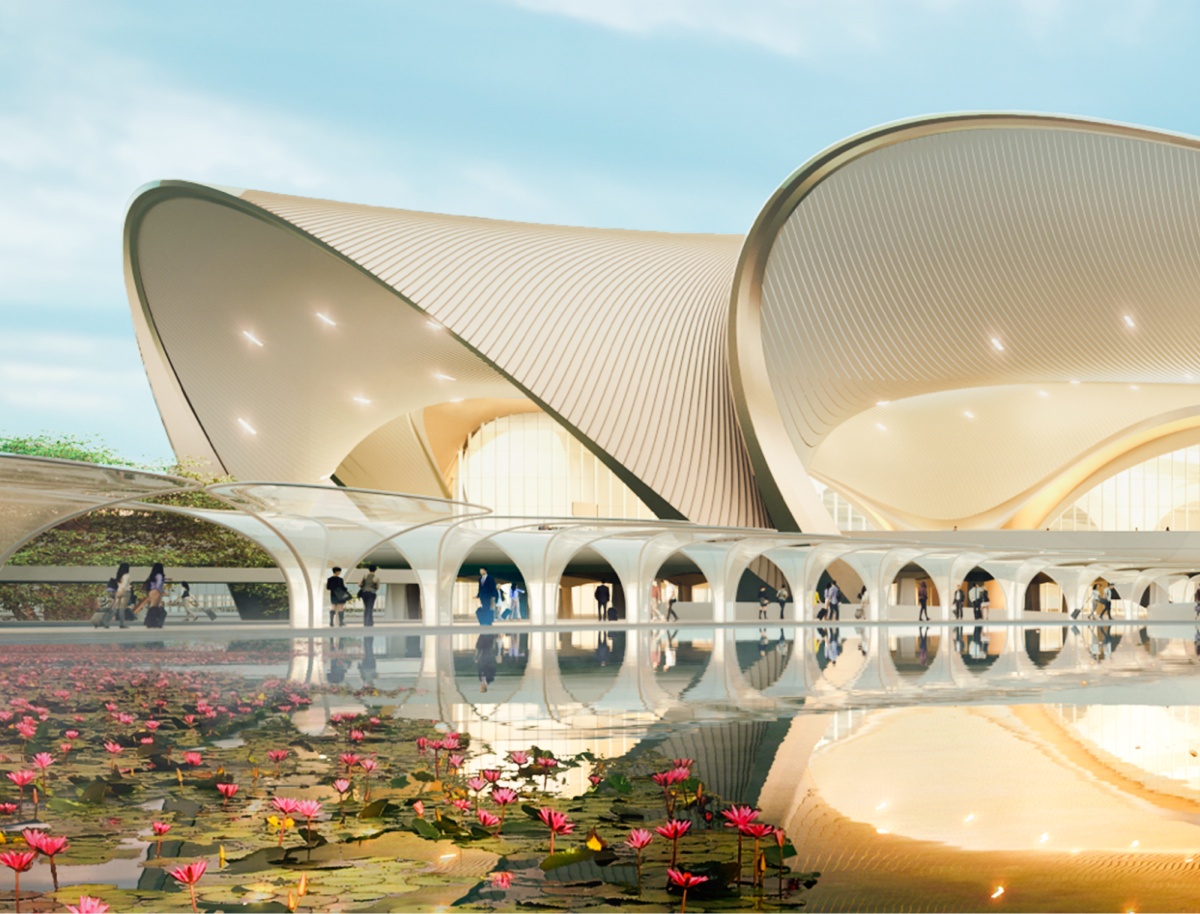
Airport lounges have transformed from simple seating areas to immersive environments featuring curated art installations, cutting-edge technology, and locally inspired culinary offerings. Our design incorporates elements that reflect each lounge’s location-whether through handcrafted materials, regionally sourced cuisine, or design motifs inspired by local heritage.
Wellness has also become an essential part of lounge design. Frequent travelers, particularly those on long-haul flights, benefit from spaces designed for relaxation and rejuvenation. Features such as dedicated wellness zones, nap pods, biophilic design elements, and spa-like environments contribute to reducing travel stress.
The idea is to create a sanctuary within the airport, a familiar and calming space for those who navigate airports frequently.
Modularity and material innovation
At the forefront of terminal construction, we embrace modularity as a game-changer. Traditional methods come with extended timelines, material waste, and on-site disruptions.
By shifting to modular construction, we can fabricate building components in controlled environments, ensuring precision and efficiency before assembling them on-site. By integrating modular techniques, airport construction can achieve greater flexibility and scalability. This ensures operational efficiency and mitigates the risks associated with large-scale, long-term construction projects.
Material innovation plays a pivotal role in the evolution of airport terminal construction. The demand for sustainable, lightweight, high-performance materials has led to groundbreaking advancements that enhance functionality and aesthetics. Among these materials, Glass Fibre Reinforced Concrete (GRC) has emerged as a game-changer in the industry.
The establishment of airports also results in an increase in the number of skilled jobs, providing employment opportunities for residents and attracting talent from other cities. This not only boosts the local economy but also enhances the skill level of the workforce.
Sustainability as a design imperative
Sustainability is a crucial aspect of future airport design since airports are known for their significant environmental footprint, but they also have the potential to be drivers of positive change.
Making airports sustainable and carbon neutral requires a comprehensive approach that addresses energy consumption, waste management, and emissions reduction. By harnessing renewable energy sources like solar power and incorporating green building practices, airports can reduce their carbon footprint and create a cleaner, healthier environment for surrounding communities.
Designing for the future
As India continues its bold leap into the future, airports will not just mirror our ambitions- they will amplify them. By embracing modularity, sustainable materials, local identity, and passenger-centric design, we are building more than transit hubs- we are building equitable, resilient, and human-centered urban ecosystems.
Airport design, then, is not only about runways and gates- it is about giving shape to the urban futures we want to inhabit.