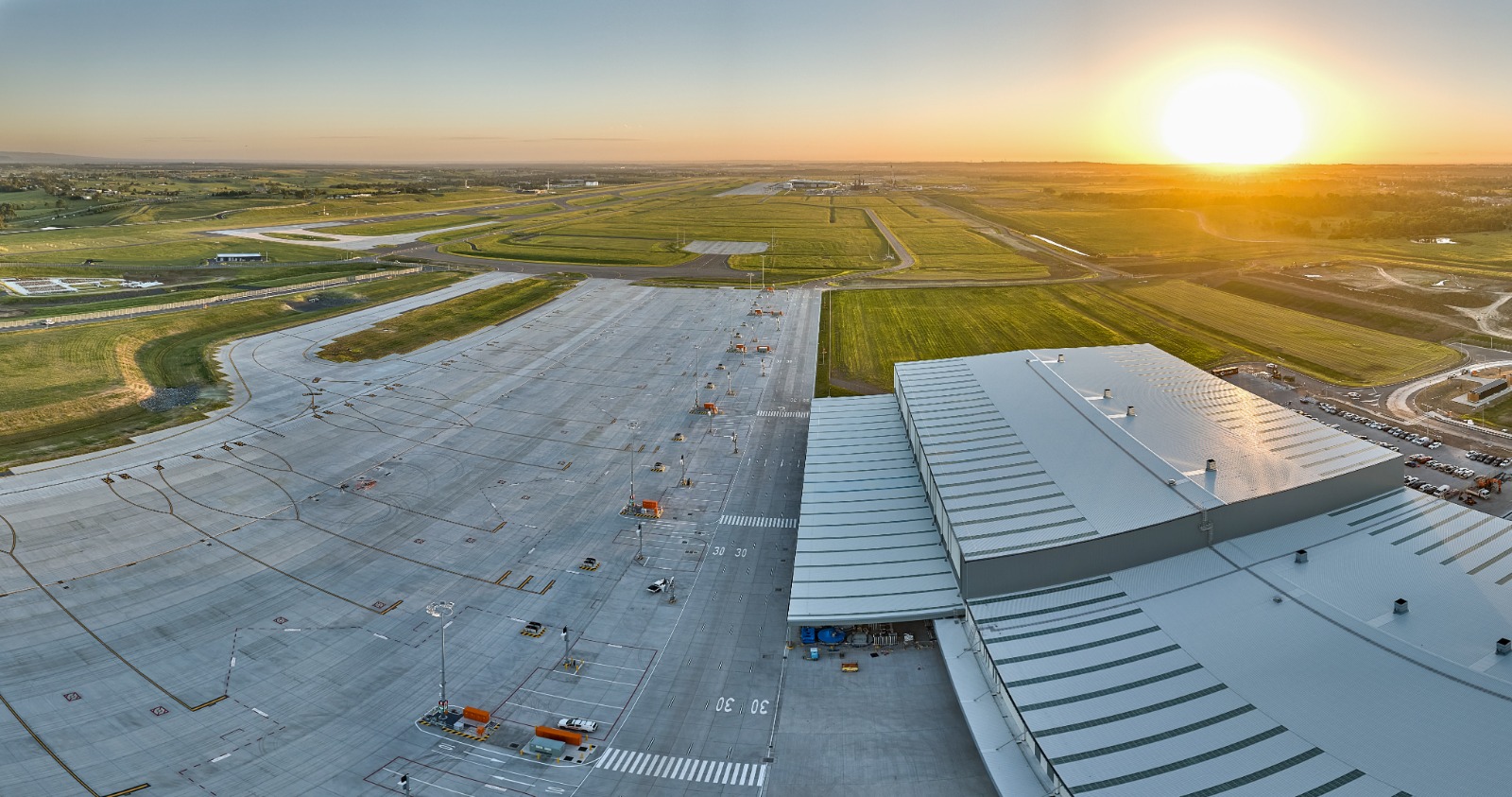
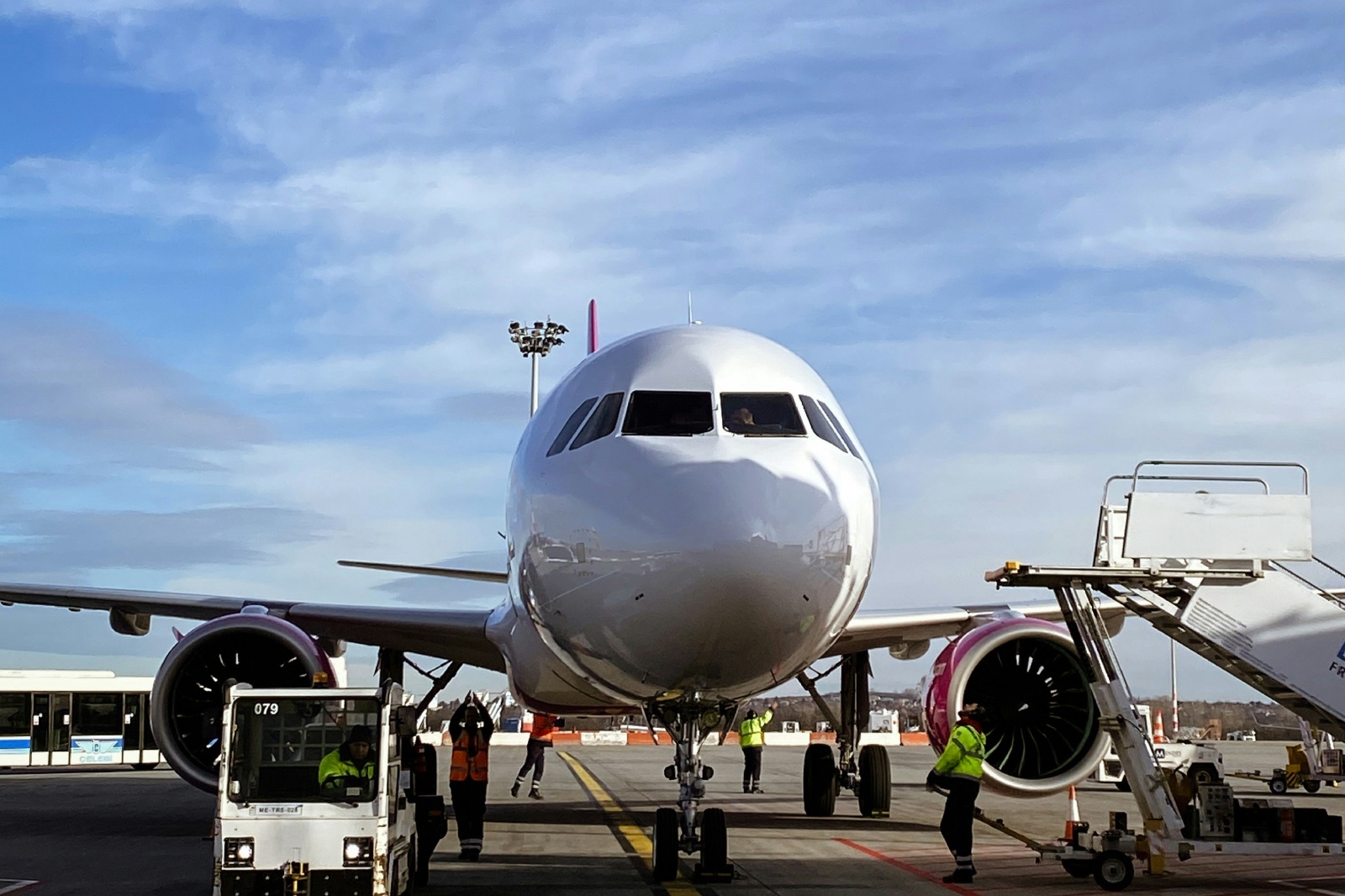
Sven Deckers, Director of Sustainability & Partnerships at Dubai Airports, shares how the operator is balancing decarbonization at DXB with future-focused sustainability planning for DWC.

As aviation faces mounting pressure to decarbonize, airports are emerging as critical battlegrounds in the race toward net-zero. Few are navigating this terrain as strategically as Dubai Airports, which is embracing a dual-track sustainability strategy amid the sector’s most ambitious infrastructure evolution: the transition from the world’s busiest international airport, Dubai International (DXB), to the next-generation Dubai World Central – Al Maktoum International (DWC).
According to Sven Deckers, Director of Sustainability & Partnerships at Dubai Airports, this duality lies at the heart of the organization’s environmental approach.
“We are simultaneously decarbonizing DXB through targeted short-term interventions while embedding next-generation green technologies into the very foundations of DWC,” Deckers explains. “Sustainability here isn’t a bolt-on — it’s hardwired into our infrastructure planning.”
Green from the ground up

With DWC’s expansion set for the early 2030s, Dubai Airports is capitalizing on a rare opportunity to design from a clean slate. However, DXB — handling over 80 million passengers annually — remains a central piece of the puzzle. This demands a calibrated investment strategy: immediate action with measurable impact at DXB, and long-term design flexibility at DWC to accommodate evolving clean tech innovations.
Among the headline initiatives is the world’s largest airport-based rooftop solar project, developed in partnership with Etihad Energy Services. The installation of nearly 63,000 solar panels across both DXB and DWC will generate over 60,000 MWh annually, offsetting approximately 23,000 tonnes of CO₂. Once operational by 2026, this will provide 6.5% of DXB’s and a significant 20% of DWC’s energy needs.
But decarbonization doesn’t stop at energy generation. Deckers notes, “We’re investing in LED retrofitting, intelligent building management systems, and exploring hydrogen-powered ground handling equipment — particularly suited to our high-duty-cycle environment.”
Building resilience
Recent climate events have underscored the importance of infrastructure resilience. The April 2024 floods, which severely disrupted aviation across the UAE, served as a wake-up call. “Even in the desert, you need to prepare for a flood,” says Deckers. In response, Dubai Airports is working with its partners under the oneDXB Sustainability Alliance to develop a climate risk model — a tool designed to stress-test operations and future-proof infrastructure.
This Alliance, a cornerstone of Dubai Airports’ sustainability platform, brings together airlines, service providers, and government entities in a unified push toward environmental performance. It fosters transparency, accelerates collective action, and ensures alignment with both local and global regulatory standards.
“Sustainability isn’t a finish line. It’s an evolving practice that requires systems thinking, adaptive infrastructure, and relentless collaboration.”
Sven Deckers, Director of Sustainability & Partnerships at Dubai Airports
Collaboration for a greener future
Deckers is unequivocal: strategic partnerships are not “nice to have” — they are foundational. “System-wide change moves only as fast as collaboration allows,” he states. This ethos is evident in Dubai Airports’ engagement with the UAE’s General Civil Aviation Authority, participation in the ICAO Committee on Aviation Environmental Protection (CAEP), and its role in the World Economic Forum’s Airports of Tomorrow initiative.
These global platforms provide Dubai Airports with a seat at the table where future regulations, innovations, and financing strategies are being shaped. “Rather than reacting to change, we aim to co-create it,” says Deckers.
As global aviation charts a turbulent course toward sustainability, Dubai Airports offers a compelling case study in balance — between ambition and pragmatism, today and tomorrow, resilience and innovation.
“Sustainability isn’t a finish line,” Deckers concludes. “It’s an evolving practice that requires systems thinking, adaptive infrastructure, and relentless collaboration. We’re building not just greener airports, but smarter, stronger ones — ready for whatever comes next.”
Lessons from the front line: Five guiding principles for any airport aiming to lead in sustainability
- Plan with one foot in today, the other in tomorrow. Sustainability must bridge short-term action with long-term adaptability, especially when transitioning infrastructure.
- Don’t predict the future — co-create it. Proactive involvement in regulatory and innovation ecosystems ensures that airports are shaping, not chasing, progress.
- Partnerships aren’t complementary — they’re foundational. Real progress requires shared accountability across the aviation ecosystem.
- Focus on fit, not fashion. Operational realities — like the suitability of hydrogen over battery-electric ground vehicles — must guide innovation choices.
- Even in the desert, prepare for a flood. Climate resilience is no longer optional. Flexibility and foresight must be built into design and operations.