Parsons Program Director and Head of Aviation EMEA explains how airports are evolving into multifunctional spaces, incorporating art installations, acting as commercial hubs, and providing immersive experiences.
Marios Sentris joined Parsons in 2013 and currently holds the position of Program Director and Head of Aviation for Europe and Middle East. Known for his inspiring leadership skills in aviation, Sentris boasts a successful track record of construction airport projects.
Sentris has over 25 years of accomplished experience in leading roles and more than 15 years worldwide experience in large scale airport construction and refurbishment programs. He has been involved in airport projects in Greece, Albania, Jordan, Kuwait, United Arab Emirates, Qatar, Poland, Australia, Kazakhstan and Tunisia.
His expertise covers master planning, design and construction management, program management, operational readiness, due diligence, technical assessment and business feasibility studies.
Airports are crucial gateways for global mobility. From your perspective, how do you see the role of airport infrastructure evolving over the next decade, especially with the rapid advancements in technology and sustainability?
We view airports as the gateways to the world and their role in connecting society will remain transformative for the next decade. The ongoing evolution within the aviation industry will continue to be driven by technological advancements and a focus on efficiency and infrastructure protection. As travel becomes increasingly commoditised, I expect to see growth in the implementation of innovative infrastructure solutions and the requirement to protect that infrastructure from emerging threats like unmanned aerial systems (UAS) and cyber-attacks.
Airport infrastructure will need to be tailored to these futuristic cities, and while the technology has advanced significantly, I foresee regulatory frameworks and traffic management systems being updated to ensure safe, unmanned short-term vertical flights.
Another trend I have noticed is the separation of luggage from passengers, facilitated primarily by post-COVID logistics advancements. This could evolve into baggage being treated similarly to door-to-door parcels by certified logistics companies, allowing passengers to travel without their bags. Consequently, airports may no longer require extensive baggage handling systems within terminals, as all luggage would be managed in dedicated logistics warehouses, which in turn would impact airport design and infrastructure.
Sustainability is currently a critical focus area and I believe this will only continue to increase over the next decade. Efforts are already underway to make airports more environmentally friendly, particularly in Per- And Polyfluoroalkyl Substances (PFAS) investigation and remediation.
Parsons has been engaged to support mitigating PFAS contamination and safeguarding public health and the environment as it has become a critical focus for many of our clients globally. Additionally, we see clients interested in reducing their carbon emissions and ultimately achieving net-zero.
Recent natural disasters, such as the heavy rainfall in the UAE, floods in Spain, and storms in the US, underscore the need for robust infrastructure capable of withstanding such events. Furthermore, the scaling up of sustainable aviation fuel (SAF), hydrogen, and electric aircraft will require significant investment in airport infrastructure.
Greenfield airports have the opportunity to implement enhanced efficiency, capacity, and thus economic growth in the future as they can be designed with sustainability at their core, utilising environmentally friendly materials and operations from the outset. From the onset, this should include transportation infrastructure that connects to urban centers. Planning and managing projects sustainably is one side of the coin, the other is building resilient infrastructure from the onset.
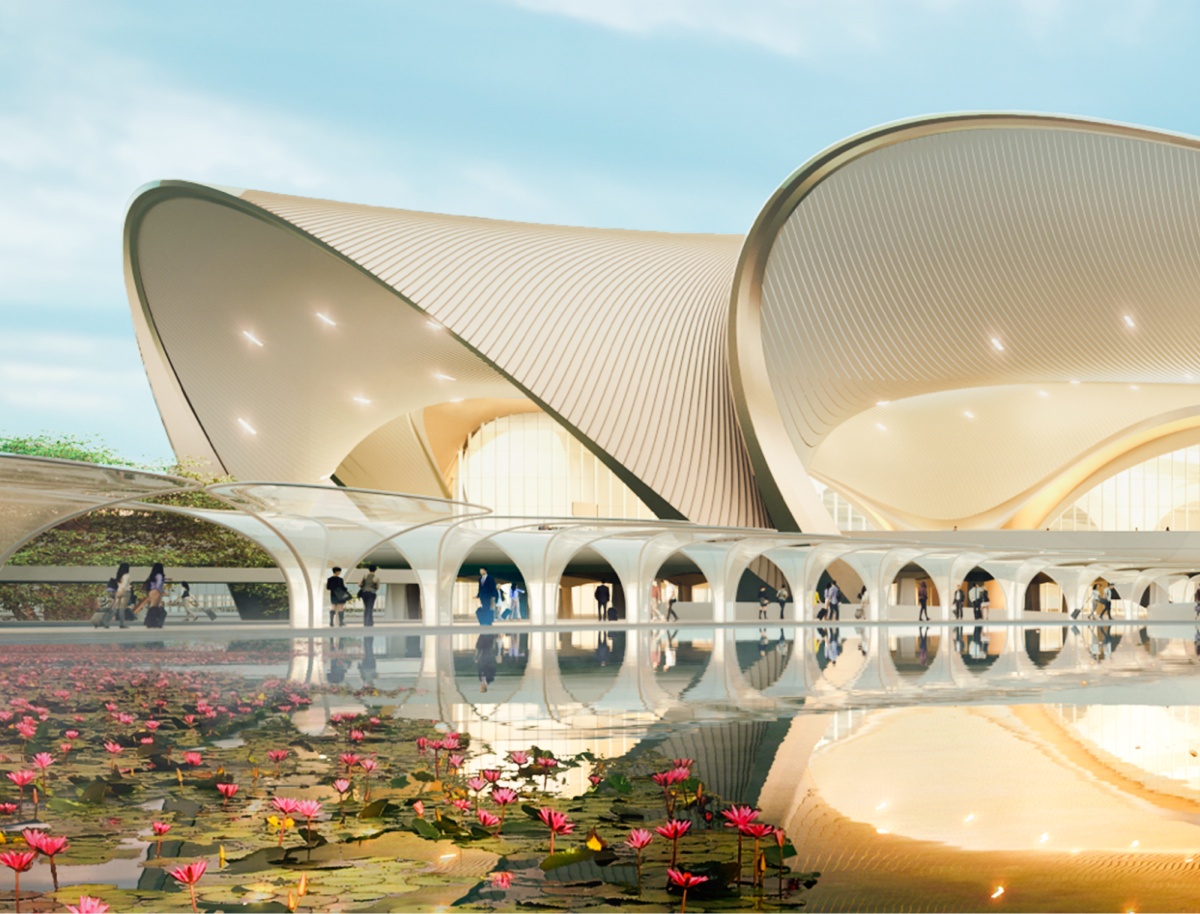
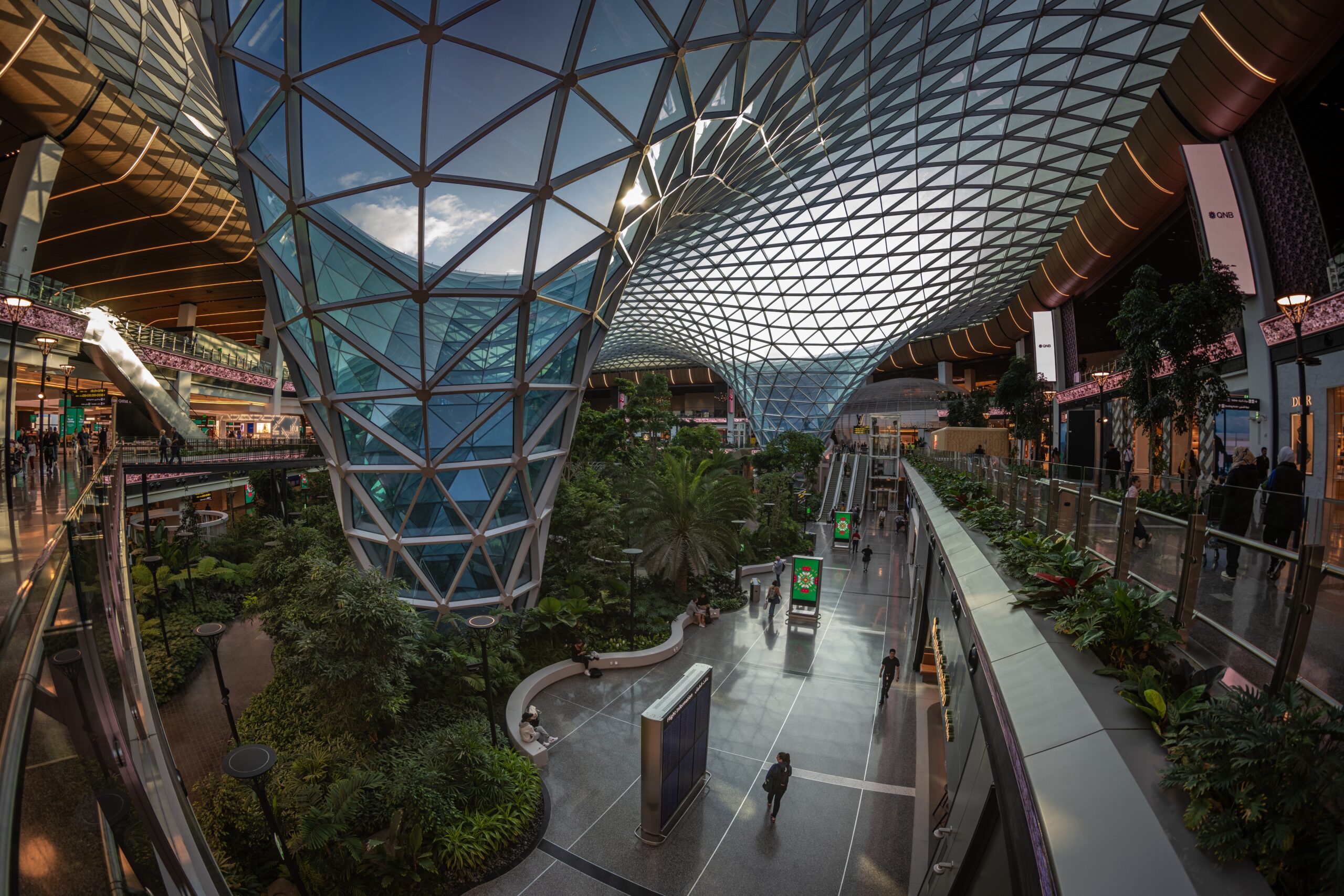
Airports are evolving into multifunctional spaces that incorporate art installations, act as commercial hubs, and provide immersive experiences. Passengers are now seen as customers, and their journey is enriched through these diverse offerings.
Parsons emphasises delivering smart infrastructure that fosters greater connectivity. Can you share some examples of how smart technologies are being integrated into airport designs and operations to enhance both efficiency and passenger experience?
At Parsons, we are pioneering the integration of smart technologies to redefine airport functionality and the passenger experience. The concept of “smart” extends beyond buildings to encompass entire ecosystems—smart airports, smart cities, and more. This transformation is fuelled by advancements in artificial intelligence and machine learning, enabling seamless, commoditised travel experiences.
We are also exploring Digital Twin airport models, providing real-time data to inform decision-making on operational and infrastructure matters. This digital representation allows for predictive maintenance and efficient resource allocation and is already in use for our projects in North America.
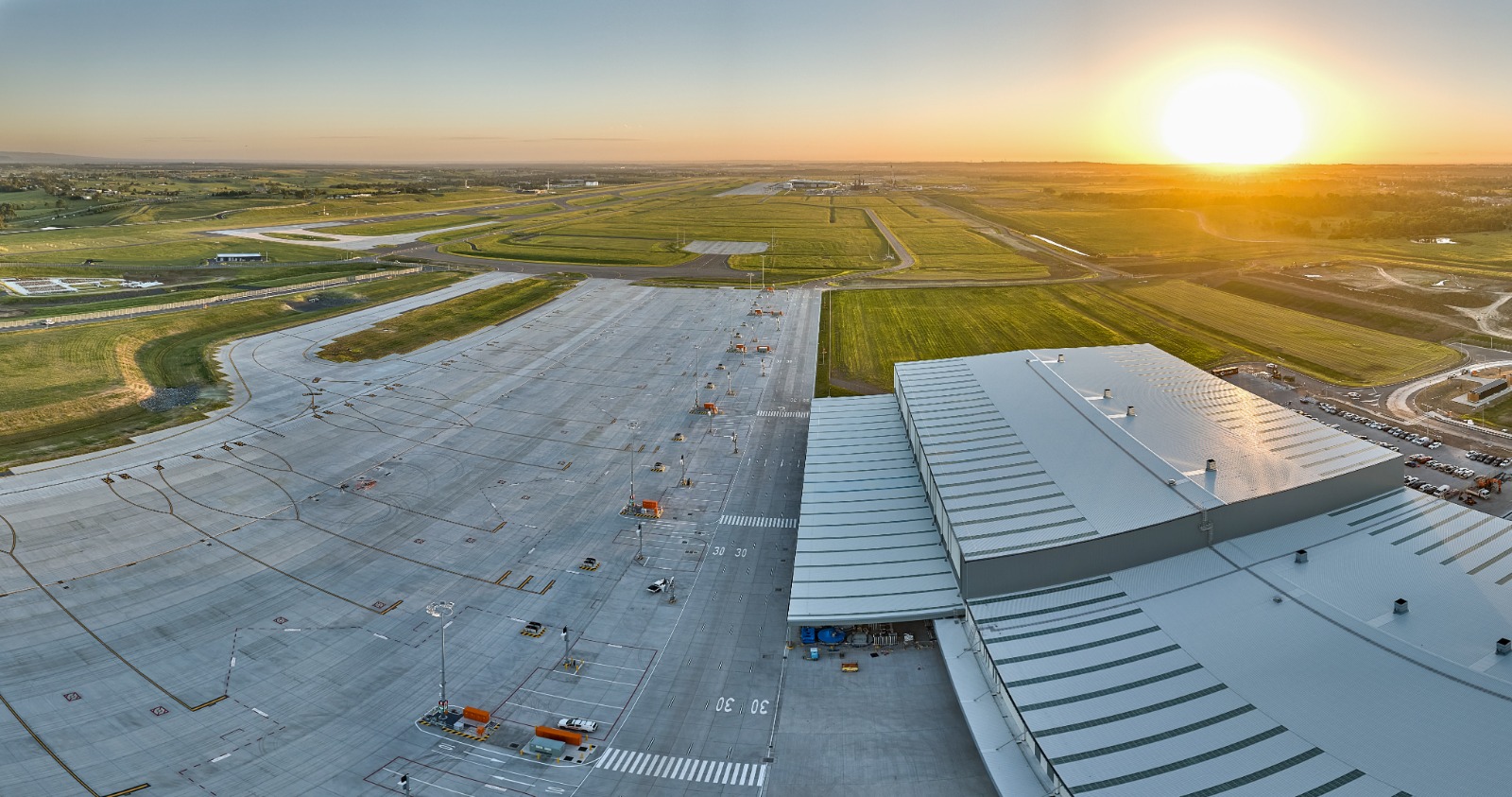
Additionally, we are implementing technologies to monitor runway conditions, taxiways, and aircraft parking positions, enhancing safety and operational efficiency.
Airports are evolving into multifunctional spaces that incorporate art installations, act as commercial hubs, and provide immersive experiences. Passengers are now seen as customers, and their journey is enriched through these diverse offerings. By integrating these smart technologies, Parsons is redefining what it means to travel, creating environments that are not only efficient but also engaging and memorable.
Given the growing focus on sustainability in the aviation industry, how is Parsons approaching environmentally conscious design and operations in airport projects, and what innovations are you most excited about in this area?
Sustainability is a cornerstone of our approach at Parsons. We prioritise environmentally conscious design and operations across all our airport projects. Our efforts begin with energy-efficient construction practices, utilizing renewable energy sources and locally sourced materials.
Achieving certifications like LEED and Estidama underscores our commitment to sustainable development, as evidenced in projects like the Kuwait International Airport and Zayed International Airport in Abu Dhabi.
We are also addressing emerging environmental concerns, such as “forever chemicals”, which pose significant health risks. Our proprietary methodologies enable us to assess and mitigate PFAS levels in airports, ensuring safer environments for all stakeholders.
One innovation we are particularly excited about is the integration of AI and Digital Twin technologies. These tools enable us to optimise energy consumption and predict maintenance needs, further reducing environmental impact. By embedding sustainability into every aspect of our projects, Parsons is not only meeting today’s standards but setting new benchmarks for the future of aviation infrastructure.

Improving the traveller experience is at the heart of many projects. What do you believe are the most critical aspects of passenger experience that airports should focus on, and how do you incorporate these considerations into your designs and solutions?
Enhancing the traveller experience is central to our mission at Parsons. We believe that the journey should be as seamless and enjoyable as possible, focusing on two key components: efficiency and engagement.
On the efficiency front, technology plays a pivotal role. Biometric systems streamline processes, allowing passengers to navigate check-in, security, and boarding without the hassle of traditional documentation. This is particularly effective in environments where duty-free, immigration, airline, and airport authorities collaborate to facilitate data exchange.
Engagement is equally important, especially for the digitally native Generation Alpha. Everything from booking to boarding can now be managed via mobile devices, offering a personalised and intuitive experience. By prioritising these aspects, Parsons ensures that our airport designs are not only functional but also resonate with the evolving expectations of modern travellers.
Finally, protecting airports and its travellers is critically important. As the role of airports change, that shift necessitates that we think through the protection of our airport infrastructure from emerging cyber and possibly UAS threats.
At Parsons, critical infrastructure protection counters and mitigates a broad spectrum of challenges, including existing and emerging multi-domain threats to people, facilities, infrastructure, and vital information systems that, if incapacitated or destroyed, would have a debilitating impact on security and/or public safety.
By providing solutions that detect, identify, track, and defeat these threats, we’re ensuring a healthier, more secure, and more resilient world, not just for our customers in the critical infrastructure protection market but for communities and people around the globe.
The aviation landscape in EMEA is diverse and complex. What are some of the unique challenges you face in delivering airport projects across this region, and how do you tailor solutions to meet the specific needs of different countries or markets?
In the Middle East, particularly within the GCC we are often involved in large-scale projects like the Zayed International Airport in Abu Dhabi and Hamad International Airport in Doha. These projects require extensive resources and specialised suppliers. To address this, we adopt tailored procurement strategies that ensure the right task force and equipment are available.
In Europe, the focus is often on upgrading existing infrastructure rather than building new airports. This requires innovative solutions to retrofit facilities with modern technologies while maintaining operations. Each country has its own regulatory framework, necessitating a deep understanding of local laws and practices.
Our approach involves close collaboration with local stakeholders to ensure compliance and cultural alignment, allowing us to deliver bespoke solutions that meet the unique needs of each market.
Parsons’ first aviation project was the Dhahran Airport in Saudi Arabia in 1958, and since then we have gone on to plan, design, construct, manage, enhance, and sustain terminal, landside, and airside infrastructure for over 450 airports in 40 countries. There is a wealth of experience and expertise within the business that I’m fortunate enough to be able to draw on when the need occurs to make sure that every client receives a service that meets their requirements.
We are exploring Digital Twin airport models, providing real-time data to inform decision-making on operational and infrastructure matters. This digital representation allows for predictive maintenance and efficient resource allocation and is already in use for our projects in North America.
When evaluating potential airport development sites or projects, what are the most critical due diligence and technical assessments that Parsons conducts to ensure feasibility, safety, and future-proofing of the infrastructure?
Our due diligence process is thorough and multifaceted, focusing on several key areas to ensure project success. We begin with comprehensive site assessments, examining geotechnical conditions, environmental impact, and socio-economic factors. Safety is paramount, so we evaluate airspace compatibility and adherence to international aviation standards.
Futureproofing is another critical component. We analyse trends in passenger traffic, technological advancements, and climate resilience to ensure that the infrastructure can adapt to evolving demands.
Our proprietary assessment methodologies incorporate technical, commercial, and contractual factors, providing a holistic view of project viability. By leveraging advanced modelling tools and stakeholder consultations, we ensure that each project is not only feasible but also positioned for long-term success.
Airport operational readiness is critical for seamless transitions after construction. How does Parsons support airports in preparing for operational readiness, and what steps are involved to ensure that new facilities are fully integrated into day-to-day operations before they open?
Ensuring that an airport is ready to operate smoothly from day one is crucial. We start by bringing together all the key players early on—consultants, operators, and stakeholders to make sure everyone is on the same page about how things should run. We then provide thorough training for employees on new systems and facilities, so they are well-prepared for the transition.
Before opening, we conduct practice runs to test everything and identify any issues that need fixing. This includes running simulations and trials to see how systems and processes work in real life. By working closely with all stakeholders, we make sure that when the doors open, the airport operates seamlessly, providing a great experience for both staff and passengers.
Additionally, our solutions include automating bus fleets and streamlining passenger pick-up and drop-off, which enhance the management, efficiency, safety, and sustainability of airport mobility and traffic.
Conducting business feasibility studies is a necessary step in determining whether an airport project is financially viable. How do you approach feasibility studies to balance cost, revenue potential, and long-term sustainability, and what metrics do you typically use to assess return on investment (ROI) for airport developments?
Our approach to feasibility studies is comprehensive, balancing financial, environmental, and social considerations. We analyse cost structures alongside potential revenue streams, such as retail concessions and parking facilities, to forecast profitability. Long-term sustainability is assessed through lifecycle cost analysis and environmental impact studies.
Key ROI metrics include net present value (NPV), internal rate of return (IRR), and payback period. However, post-pandemic, investors are increasingly interested in flexibility and adaptability—whether infrastructure can be phased or repurposed if needed. We work closely with financial institutions and banks, providing technical expertise to inform investment decisions.
By integrating these analyses, we ensure that each project is financially sound and also aligned with broader sustainability goals, delivering enduring value to stakeholders.