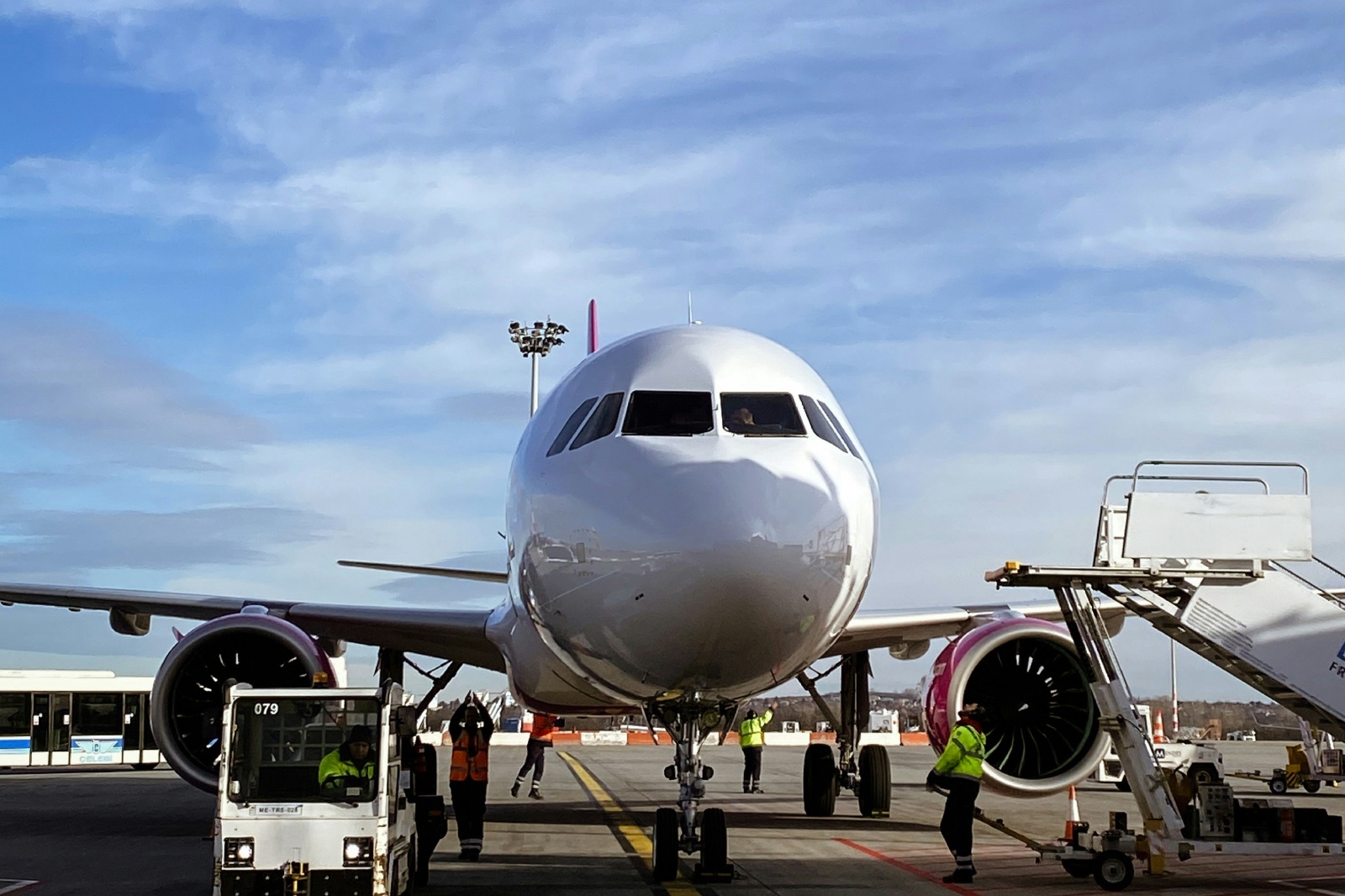
Dubai International, the world’s busiest airport for international passengers, is a masterclass in precision and innovation—CEO Paul Griffiths reveals how leadership and data are redefining global aviation with every seamless journey.
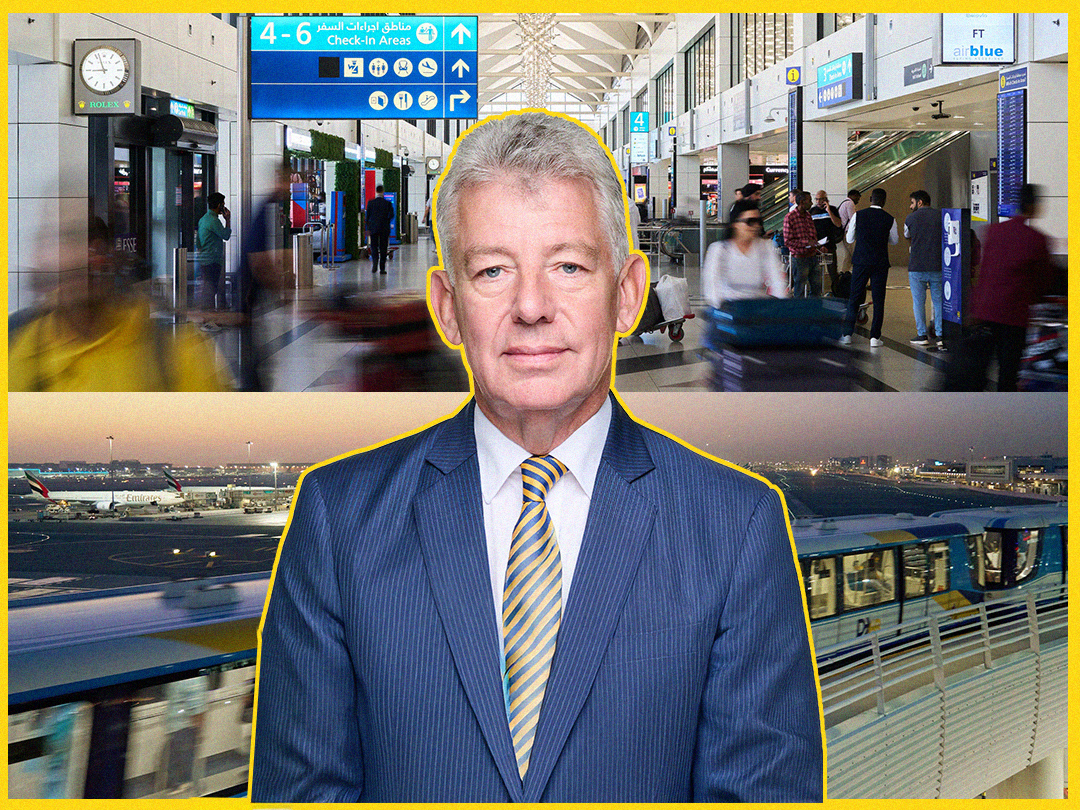
As the CEO of Dubai Airports, Paul Griffiths leads the world’s busiest airport for international traffic with a vision that fuses precision, people, and pioneering innovation.
Under his stewardship, Dubai International (DXB) has become a global benchmark not just for scale, but for seamlessness—handling over 92 million passengers annually with an average of one flight every 71 seconds. But beneath the surface of this smooth operation lies an intricate web of data-driven decisions, technological orchestration, and a leadership philosophy built on collaboration and clarity.
In this exclusive interview with Aviation 360, Griffiths shares the non-negotiables of running an airport of such immense complexity, from the invisible choreography behind every takeoff to the bold reimagining of the future at Al Maktoum International (DWC).
As he explains, true operational excellence goes beyond infrastructure—it’s about creating smarter, faster, more human travel experiences through innovation, empowerment, and the relentless pursuit of improvement.
1. DXB is a global benchmark for operational efficiency—what are the non-negotiables in your leadership playbook that keep it running seamlessly at scale?
Clear communication, data-driven decision-making, and the oneDXB spirit of collaboration are fundamental at Dubai International (DXB). We bring together a workforce of over 100,000 professionals across our airport, to work with a unified mindset, ensuring that each part of our operation is seamlessly connected.
We prioritize precision in every process, leveraging technology to enhance guest experience, from biometric checkpoints to real-time operational monitoring. These principles ensure that even as we welcome over tens of millions of guests and nearly half a million flights annually, service quality remains uncompromised.
2. What’s something most people—even in the aviation industry—misunderstand about what it truly takes to run an airport of this magnitude?
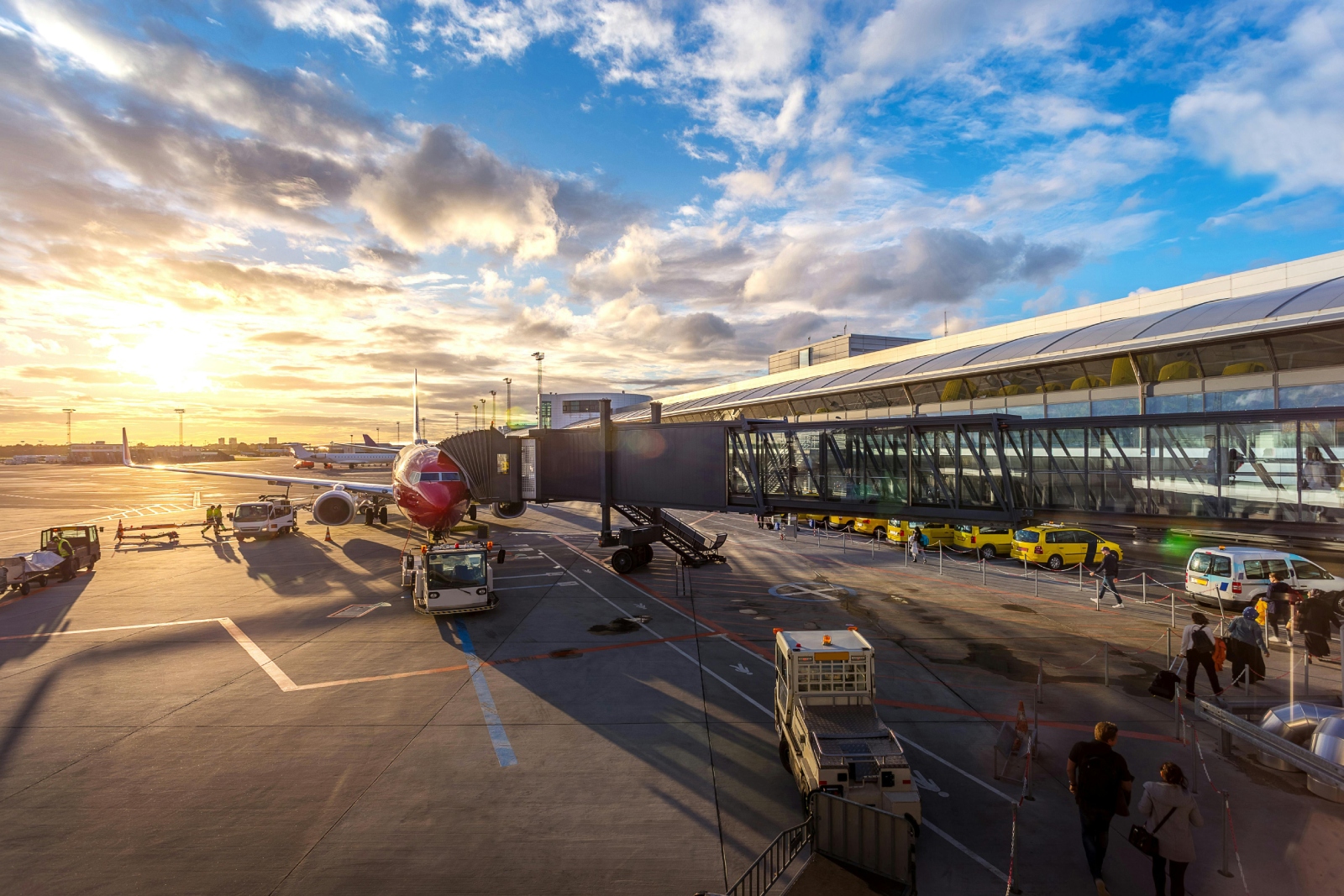
The scale of DXB is often underestimated. As the world’s busiest airport for international passengers for more than a decade, we handle over 92 million guests and around 440,000 flights each year, an average of one flight every 71 seconds.
But what is less visible is the constant orchestration of thousands of interconnected processes, each requiring precision, speed, and collaboration. It is not just about having world-class infrastructure, it is about seamlessly connecting people, systems, and service partners to deliver a consistent and unforgettable guest experience.
3. As travel habits evolve and passenger expectations rise, how is Dubai Airports adapting its business model to stay ahead of global trends?
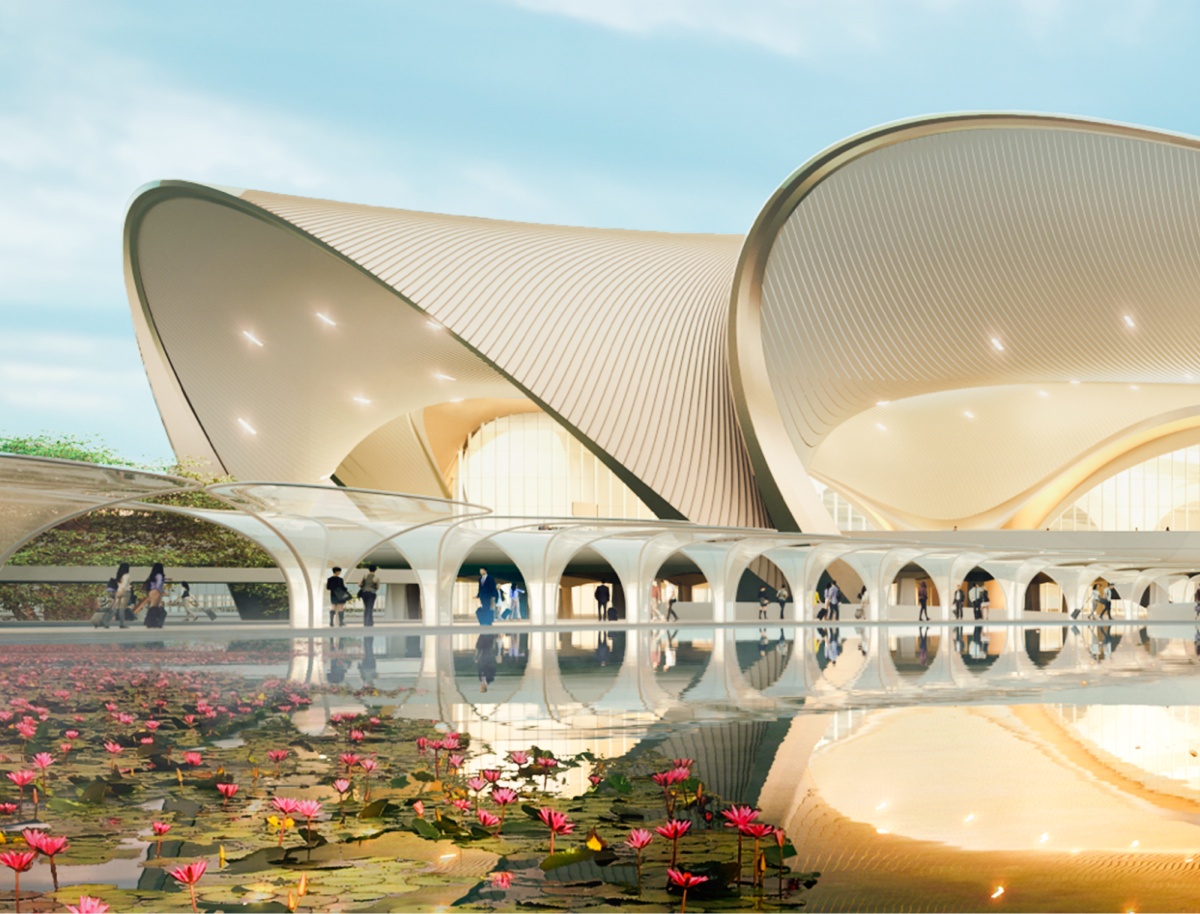
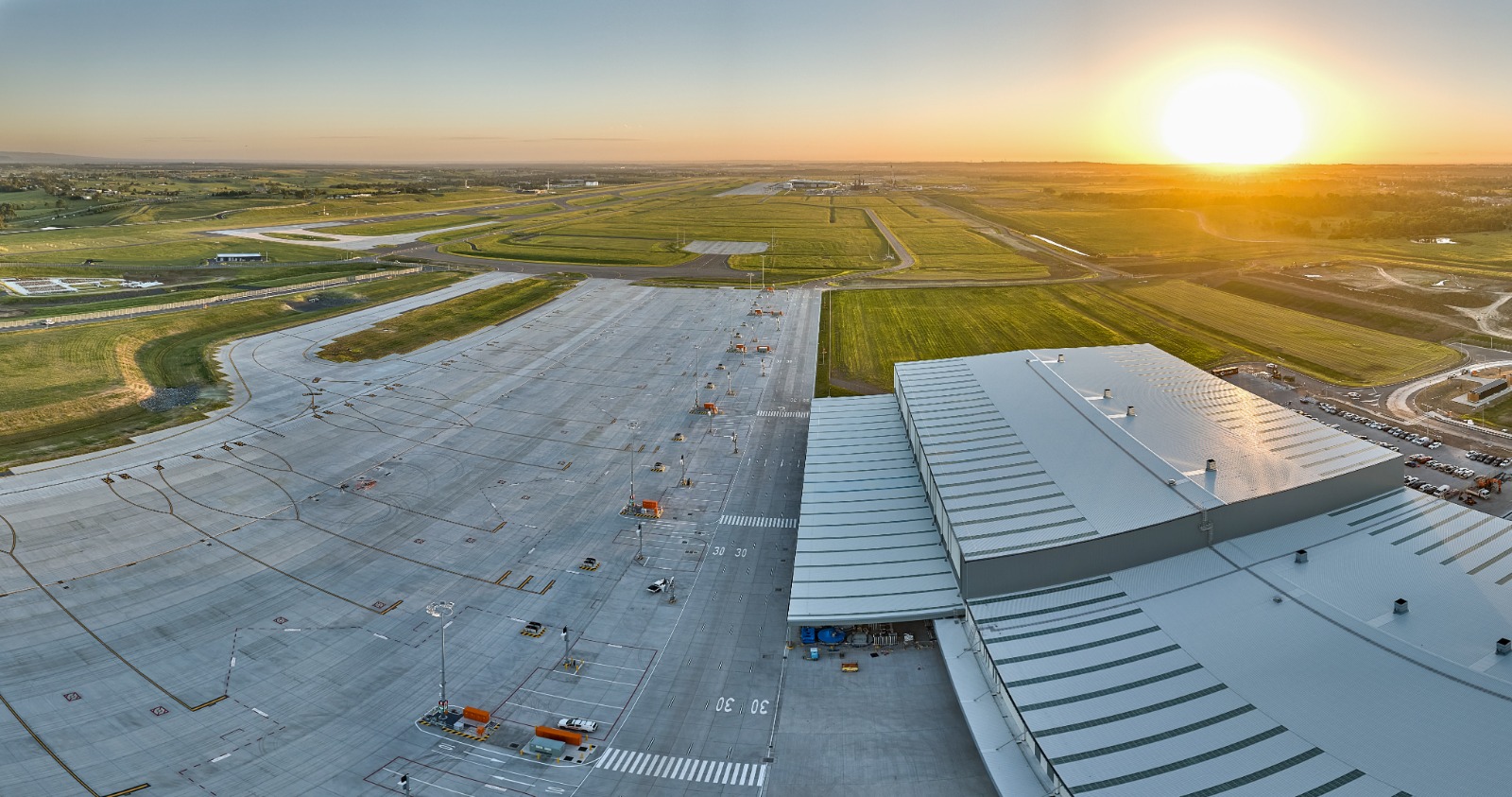
Our experience at DXB has been a masterclass in leveraging automation, IoT, big data, real-time monitoring, and predictive modelling to enhance the guest experience. These capabilities are now guiding our vision for Dubai World Central – Al Maktoum International (DWC), where we are not just expanding capacity but rewriting the rules of air travel.
DWC will integrate smart, modular terminals, biometric-enabled journeys, and AI-driven operations – designed from the ground up to deliver seamless, intuitive travel. Our focus remains on creating an airport that is not only larger but smarter, faster, and more human.
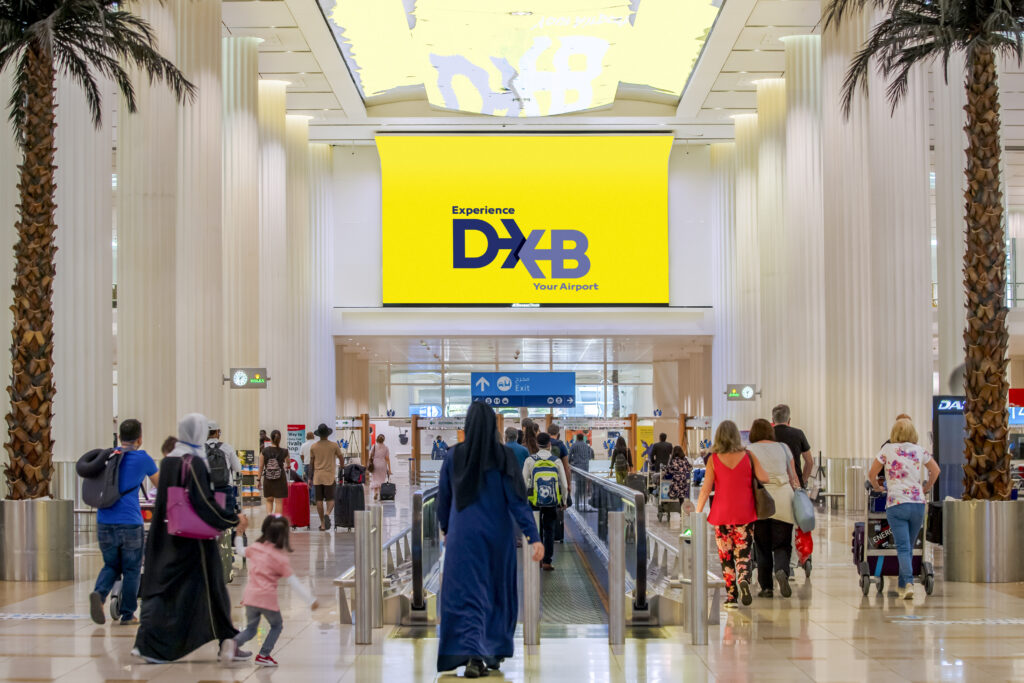
4. What are the biggest challenges you face balancing day-to-day operations with long-term innovation—and how do you personally navigate that tension?
Balancing immediate operational demands with future-focused innovation requires a careful blend of agility and vision. We foster a culture that encourages smart experimentation, allowing our teams to implement incremental improvements while exploring transformative solutions. Personally, I believe in empowering people, asking the right questions, and maintaining a clear sense of purpose.
5. In your view, what defines great airport leadership in today’s aviation landscape, and how do you cultivate that culture across such a large and complex organization?
Great airport leadership is about adaptability, empathy, and a clear vision for the future. At Dubai Airports, we cultivate this through a commitment to our people, promoting cross-functional collaboration, maintaining open communication, and recognising excellence.
We also focus on nurturing talent and grooming potential future leaders, ensuring that our teams always have a pipeline of skilled professionals ready to step up. Achievements like the Gallup Exceptional Workplace Award reflect our success in creating a resilient, engaged workforce that is prepared to lead.
We foster a work culture that encourages smart experimentation, allowing our teams to implement incremental improvements while exploring transformative solutions. Personally, I believe in empowering people, asking the right questions, and maintaining a clear sense of purpose.
Paul Griffiths, CEO of Dubai Airports