Goutam Mukherjee of Amadeus talks about the accelerating digital transformation across the global travel industry, examining technologies reshaping travel.

Goutam Mukherjee, Director-India & Subcontinent, Amadeus Commercial Enterprise, in an itnerview with Swaliha Shanavas, talks about the accelerating digital transformation across the global travel industry, examining the technologies reshaping travel – from AI and biometrics to cloud adoption and modern airline retailing – and how Amadeus is helping build a more seamless, connected, and intelligent travel ecosystem.
How do you view the current phase of digital transformation in the international and national travel sector? How is Amadeus positioning itself to lead that transformation?
The digital transformation currently ongoing in the travel industry is massive, it can probably be seen as the most substantial change in a generation. It is driven by the widespread deployment of AI, cloud computing, and biometrics to deliver more seamless, personalized, and efficient experiences for travelers.
Amadeus is positioning itself at the center of this – investing €1.4 billion in R&D last year. This investment strength, our strategic partnerships, unique presence across every traveler touchpoint, and deep industry experience are together enabling us to drive the transformation of travel.
Through an ecosystem approach, we are transforming travel to create enduring value for both travelers and the industry, supporting the creation of a resilient and sustainable travel sector.
What are the most important technologies shaping travel right now?
Three transformative technologies stand out as the primary forces shaping travel today:
Artificial Intelligence (AI): Artificial Intelligence (AI) is transforming the traveler journey, from personalized planning and search to in-trip chatbots and post-trip sentiment analysis. In a recent Amadeus study of 300+ industry leaders, generative AI was cited as a “top priority” for the coming year by 46%, ahead of any other technology – rising to 61% in Asia Pacific.

Director Airport and Border Authority
Amadeus
Cloud Computing: Cloud-based infrastructure enables travel companies to offer scalable, flexible, and personalized services without investing in physical infrastructure, allowing them to scale operations up or down based on demand. Cloud architecture was identified as a top priority by 36% of travel technology leaders surveyed.
Biometrics: Facial recognition and biometrics are enabling seamless, contactless travel. Passengers enroll on mobile and use their face as ID at checkpoints, reducing queues, speeding processing, and improving security. Amadeus’ global “Connected Journeys” research shows 69% of travelers prefer biometric gateways.
Other technologies cited as top priorities include data management (38%) and non-generative AI infrastructure (34%).
How is Amadeus using AI to improve the traveller experience? Also, in which area do you see AI creating the most immediate impact in travel?
AI is reshaping business models, streamlining workflows, and improving how travel data is managed across the ecosystem. Amadeus is applying AI across the entire travel journey, with capabilities already embedded in practical use cases – from AI-native airline solutions that improve revenue management and dynamic pricing, to tools that enhance traveler and agent productivity, and operational systems that turn data into actionable insights.
A recent development is the acquisition of SkyLink, an AI-first company specializing in orchestration and conversational automation. Its AI agents can sell and service travel transactions conversationally in seconds, improving speed, efficiency, and user satisfaction for both travelers and employees. These capabilities are set to expand beyond corporate travel into airlines, airports, hospitality, and the broader ecosystem.
Amadeus operates at significant scale, processing up to 150,000 transactions per second and managing vast volumes of travel data daily. Strategic partnerships with Microsoft and Google Cloud support its cloud migration and multicloud AI strategy.
The area of strongest and most immediate impact is probably the potential of AI agents or agentic AI. AI agents can understand travelers’ needs by using context from natural language and personal data, acting like a human assistant. They anticipate preferences and schedules.
At Amadeus we’re excited about the potential of Agentic systems. Early production examples act as co-pilots boosting productivity, with future multi-agent systems collaborating to complete entire tasks.
Many Asian airlines and travel companies are jumping directly to modern cloud-based systems. How is Amadeus adapting its strategy to support this rapid modernization in the region?
Amadeus supports Asia-Pacific modernization via a cloud-first, multicloud strategy and regional partnerships. Landmark partnership with Google Cloud involves migrating part of Amadeus’ technical platform to Google Cloud to improve efficiency and resilience. This expands our multicloud capabilities across 42 global cloud regions. Our open cloud approach fosters innovation, autonomy, and strong security and reliability. This collaboration will allow us to explore innovation projects using Google Cloud data and AI, transforming travel through better connectivity and efficiency.
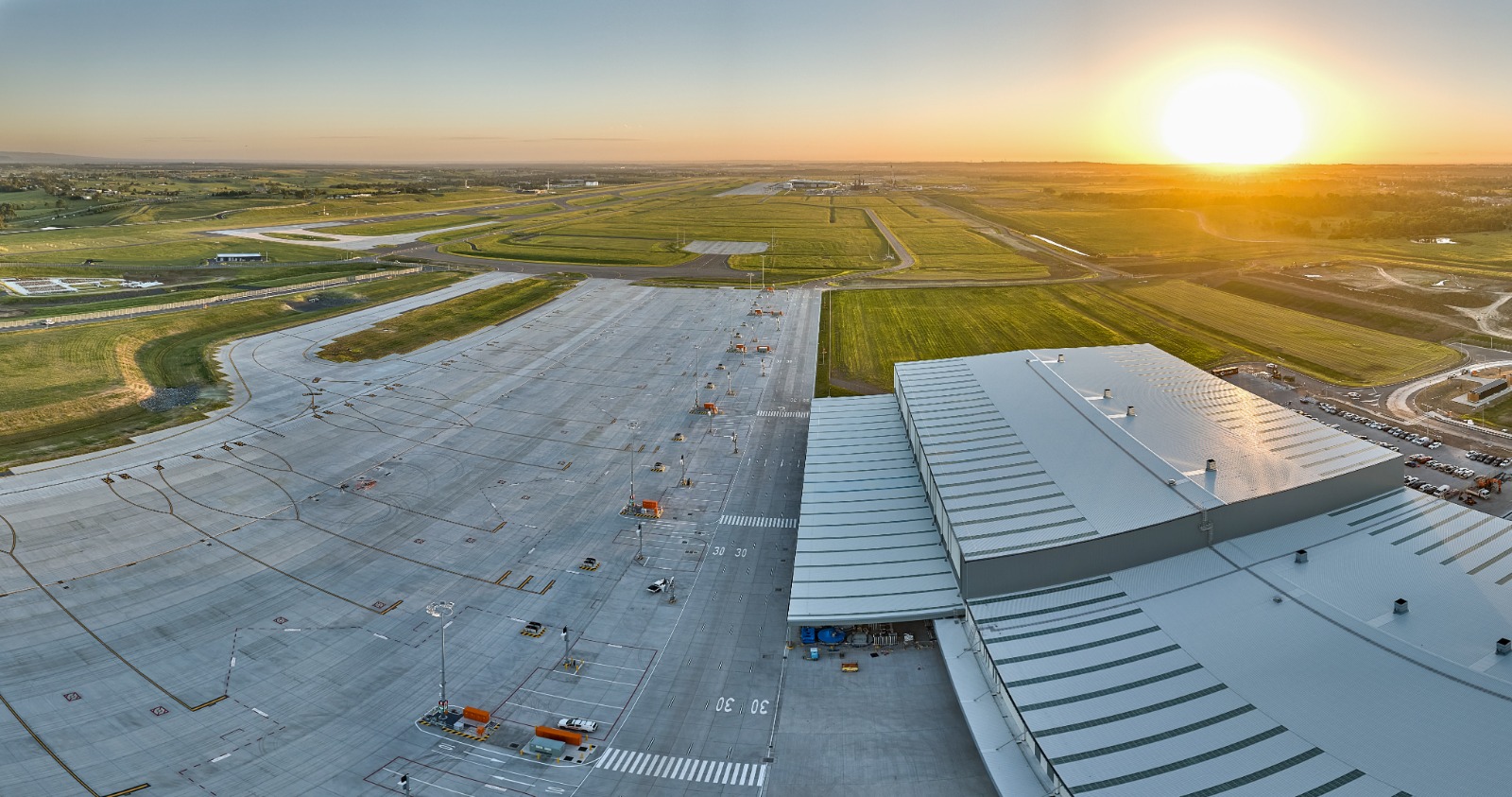
On the ground in Asia-Pacific, Amadeus works with airlines and airports to deploy next-generation solutions. Cloud-based platforms, biometric technologies, and integrated data systems streamline airport operations, improve resource management, and deliver smoother, more personalised passenger journeys.
Recent initiatives include the Seamless Corridor in Indonesia and an industry-leading biometric passenger system from check-in to boarding in Perth, Australia.
As the only provider serving airlines, airports, ground handlers, and border authorities with end-to-end traveler systems, Amadeus enables ecosystem collaboration. Through continued platform technology investment, our AirOps team is helping build a more connected, personalized aviation experience using data assets and AI to optimize operations and enhance passenger journeys.
We hear a lot about ‘modern airline retailing’. Practically speaking, what does that look like for travellers over the next few years?
Travel retailing technology is currently undergoing the largest transformation in a generation or more. The process is gradual, but unmistakable, and will reimagine the selling and servicing of almost every journey in the years to come. The development is being driven by two forces: evolving consumer expectations and the development of new standards that facilitate enhanced retail, servicing and payment.
Modern airline retailing will make the travel booking and trip experience feel much closer to a digital-native shopping experience, more like what we have come to expect from other online retailers such as Amazon or Shopify. Some practical examples:
Personalized bundles and dynamic pricing: Airlines will move beyond one-size-fits-all tickets. New technology can allow airlines to create tailored offers and prices, for example, a flight combined with lounge access and a hotel stay, based on a traveler’s preferences, behaviour and trip context.
A unified Order replacing fragmented records: The industry is transitioning to IATA’s new Offers and Orders standard, where all trip components are managed in a single Order record. With this single Order, airlines can streamline processes, from reservation management to financial processes and delivery of the services during the trip.
Smarter, more responsive servicing during disruptions: Airlines will be able to deliver traveler-centric operational responses — proactively offering alternatives or assistance based on a traveler’s specific journey and preferences, even in complex disruption scenarios.
“Travel retailing technology is currently undergoing the largest transformation in a generation or
more. The process is gradual, but unmistakable, and will reimagine the selling and servicing of almost every journey in the years to come. “
While the focus of modern airline retailing today is the airline industry itself, the interconnected nature of travel means we will see ripple effects across the whole ecosystem. That’s why we are really talking about ‘modern travel retailing’.
Several airlines are moving to offer more personalized travel experiences. What role does data play in this area, and how can the industry ensure that trust and privacy for travellers is maintained?
Data is the foundation of personalised travel, but using it responsibly is essential. As AI’s role expands, trust, privacy, security, and compliance become even more critical, ensuring travellers feel confident in how their data, preferences, and transactions are managed.
For nearly forty years, Amadeus has served as a trusted system of record in the travel industry, managing vast amounts of data daily and providing the single source of truth that enables meaningful personalisation. AI-powered solutions rely on this accurate, governed data to deliver tailored recommendations and proactive servicing.
We address this through our responsible AI framework guiding AI design and implementation, ensuring regulatory, industry, and ethical compliance, and enabling trustworthy adoption across the ecosystem.