CEO of APAC Swissport International AG highlights how there’s a clear opportunity in the ground handling industry to meet the rising demand in aviation.

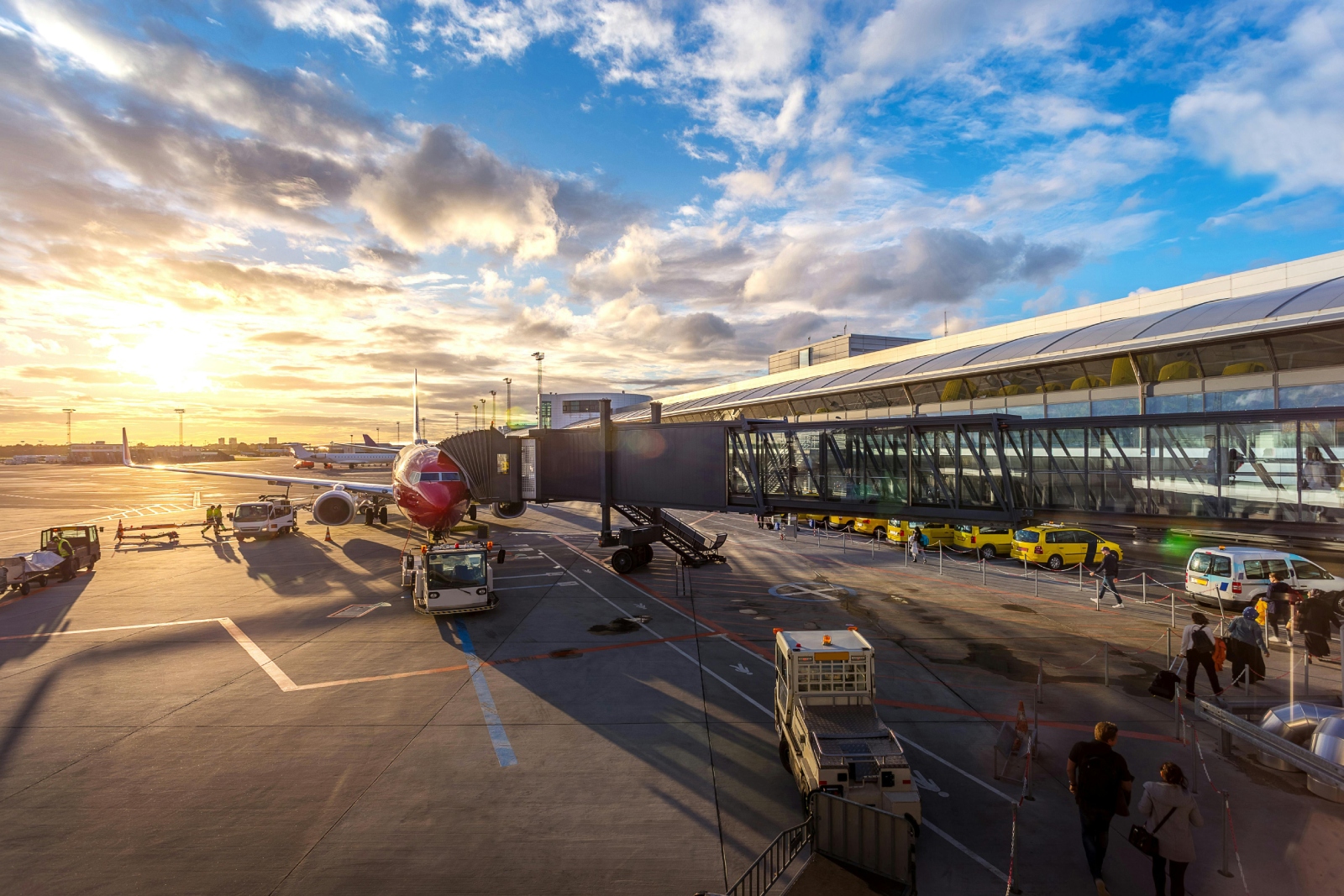
The aviation industry is constantly witnessing unprecedented growth, with global passenger numbers exceeding the pre-pandemic levels. The projection of passenger influx is expected to climb further in the coming years. The modernization, expansion, and optimization of airport infrastructure has become the need of the hour to meet the demands of the substantial increase in air travel.
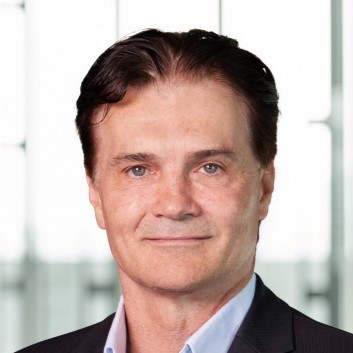
Though airport infrastructure faces pressure, there’s a clear opportunity to advance automation and innovative technologies to meet the rising demand for air travel, said Brad Moore, CEO APAC at Swissport International AG.
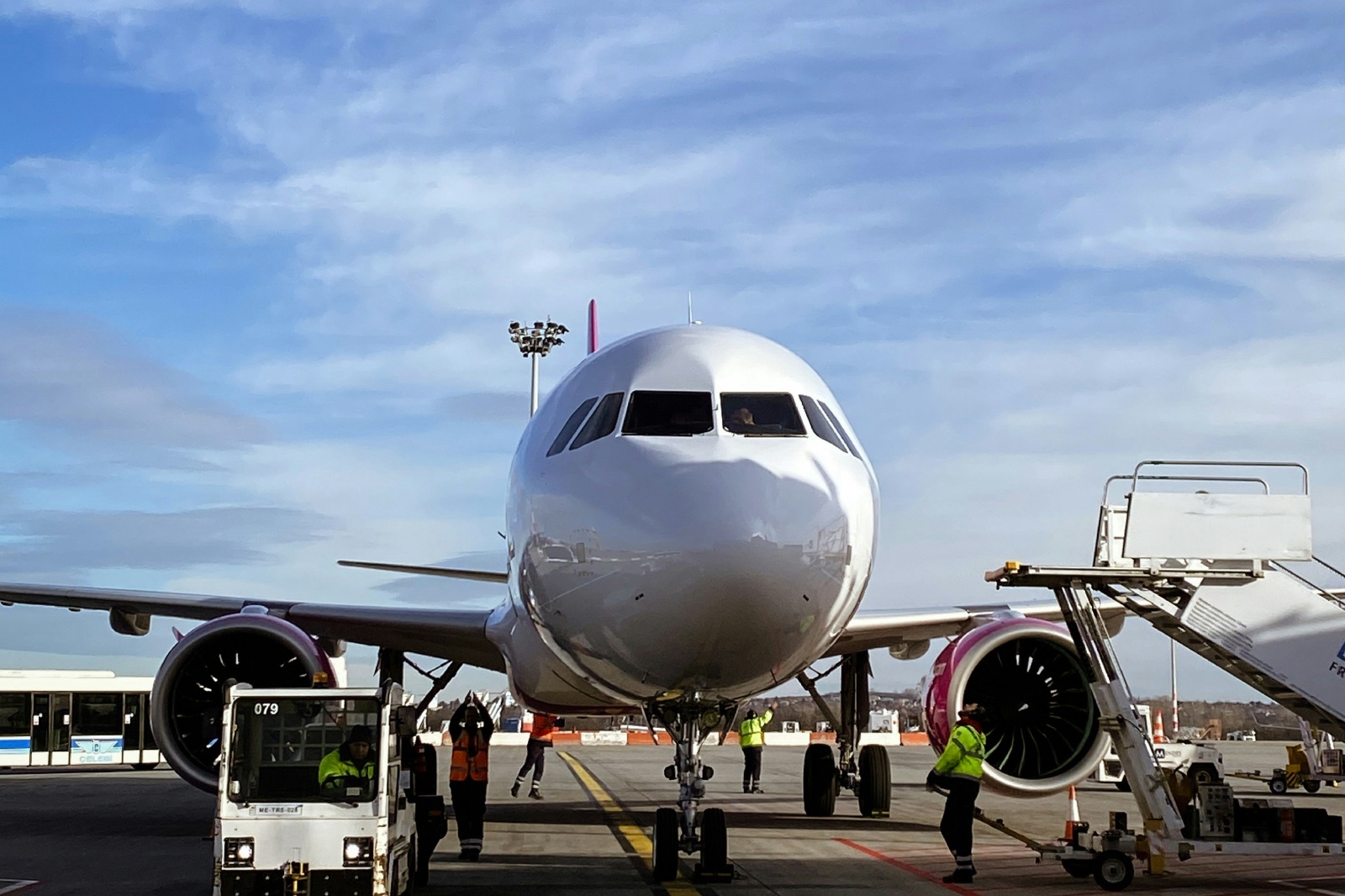
Swissport International AG claims to provide airport ground services for 232 million airline passengers, handling roughly 4.7 million tons of air freight at 115 air cargo centers worldwide. By the end of December 2023, Swissport was also operating at 286 airports in 44 countries.
Implementing Ground Support Equipment
While air travel growth is seen across the globe, the Southeast Asia region is experiencing remarkable growth. This part of the world has outpaced many other regions in aviation development and with this rapid expansion comes both challenges and opportunities.
One of them being the electrification of ground support equipment (GSE) which offers significant operational advantages for cargo and ground handling operations.
“Electrifying our fleet makes equipment easier, safer, and more efficient to operate and maintain,” Moore said.
However, many airports in the region lack the charging infrastructure necessary to support widespread electrification. Progress on this front has been slow and inconsistent. “Other challenges include varying regulatory frameworks across countries and the higher upfront costs of eGSE compared to traditional equipment.”
Sustainable Strategies
Swissport has been firmly committed to ensuring that 55% of its motorized GSE fleet is electric by the end of 2032. In the APAC region, the organization is already at 21.9%.
“To achieve this, we’ve established a global electrification policy with a clear roadmap and definitive timelines, specifying when only electric versions of certain GSE types can be procured. This structured approach ensures we stay on track to meet our goals while driving meaningful progress in reducing our carbon footprint,” Moore said.
Swissport is actively rolling out electric versions of various GSE and collaborating with manufacturers to identify high impact use cases for automation. Additionally, the company is actively working with airports across Asia Pacific to develop joint solutions for charging infrastructure, driving the conversation, and advancing the readiness of facilities to accommodate large eGSE, such as aircraft tractors and lower-deck loaders.
“In Asia Pacific, we’ve already introduced electric versions of the vast majority of GSE types, including the largest electric aircraft pushback tractor on the market, which is currently in use at Melbourne Airport for A380 operations,” Moore added.
Investing in skilled talent
When asked about the challenges with talent shortages in the industry, Moore said that, “Swissport faces challenges from a competitive labor market and the need for specialized skills in aviation.”
To address these, the company has employed integrated, multichannel talent acquisition strategies and invests in robust employee training and engagement programs to attract and retain skilled professionals.
The organization is equipping employees with future-ready skills by providing ongoing training. Using innovative methods like micro-learning videos available through the Swissport oneApp, the company ensures employees can effectively adapt to new technologies and processes, ensuring they are ready for the evolving demands of the industry.
Swissport also focuses on maintaining a human-centric approach to work, even as technology evolves. “By prioritizing employee well-being and job satisfaction, we create a positive work environment where employees feel valued and supported. We ensure that technology enhances, rather than replaces, the human element, keeping our teams engaged, motivated, and productive,” Moore added.
The ground handling industry has great potential in the Asia Pacific region. “We believe it can mature to provide better ground handling and cargo service than it has historically,” Moore commented.
He further said, the world’s biggest handlers have a footprint elsewhere but not in Asia, and there are opportunities for global operators like Swissport to take a broader position, bringing better technology and service opportunities.
Brad Moore will be speaking in a panel discussion which focuses on Ground Handling of Tomorrow: What’s Next? at the inter airport Southeast Asia (IASEA) which will be held between March 25-27 at Marina Bay Sands, Singapore.