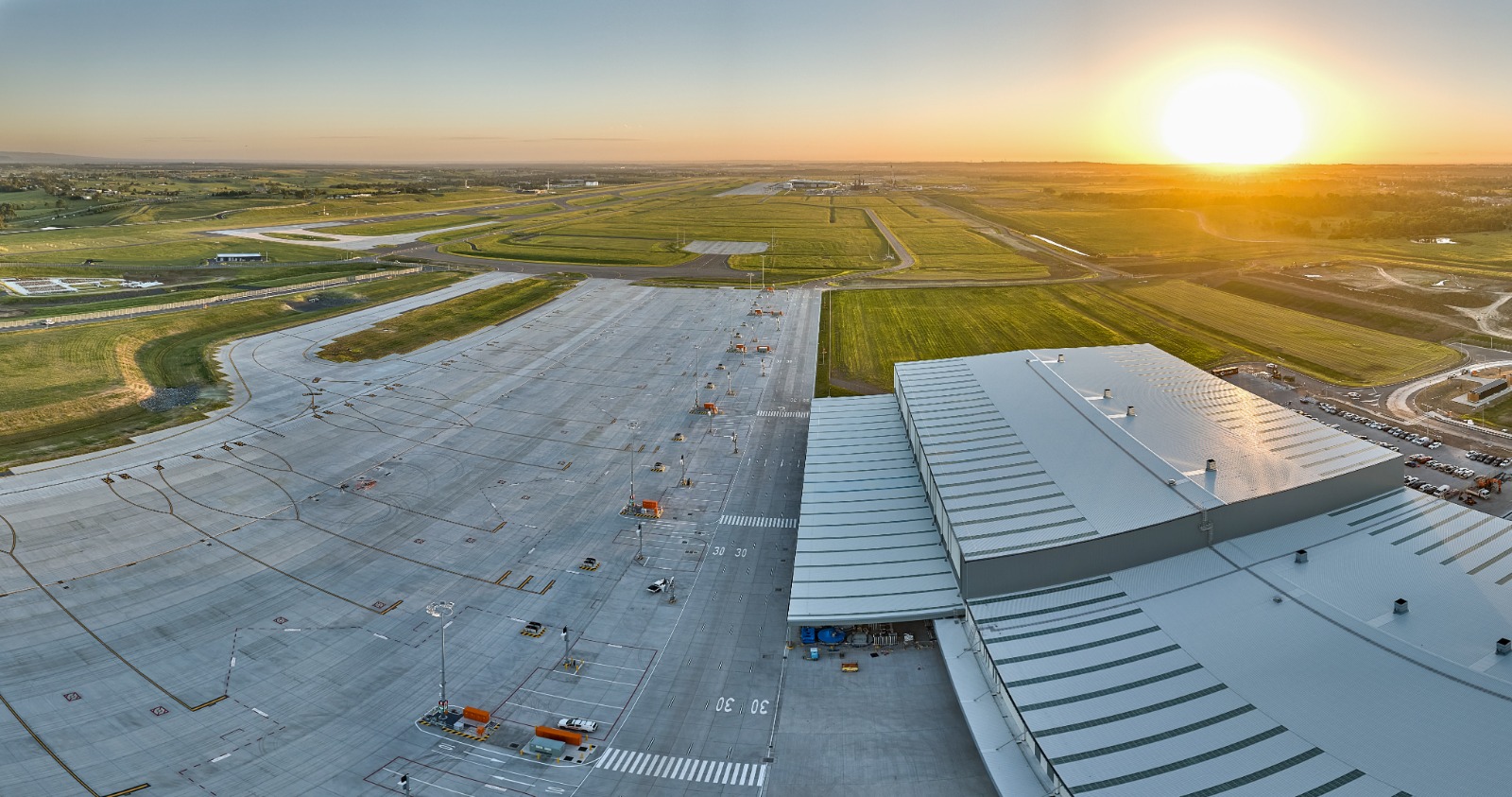
The author highlights how India’s airports are becoming the country’s most exciting retail & gastronomy destinations.
How India’s Airports Are Becoming the Country’s Most Exciting Retail & Gastronomy Destinations
By Sahan RMV
Once upon a time, airports were places you rushed through. Today, they are places you arrive early for.
Across India, aviation hubs have transformed into immersive lifestyle ecosystems – blending luxury retail, curated gastronomy, art, architecture, and social energy. The result? Airports that now rival the country’s finest malls and dining districts.
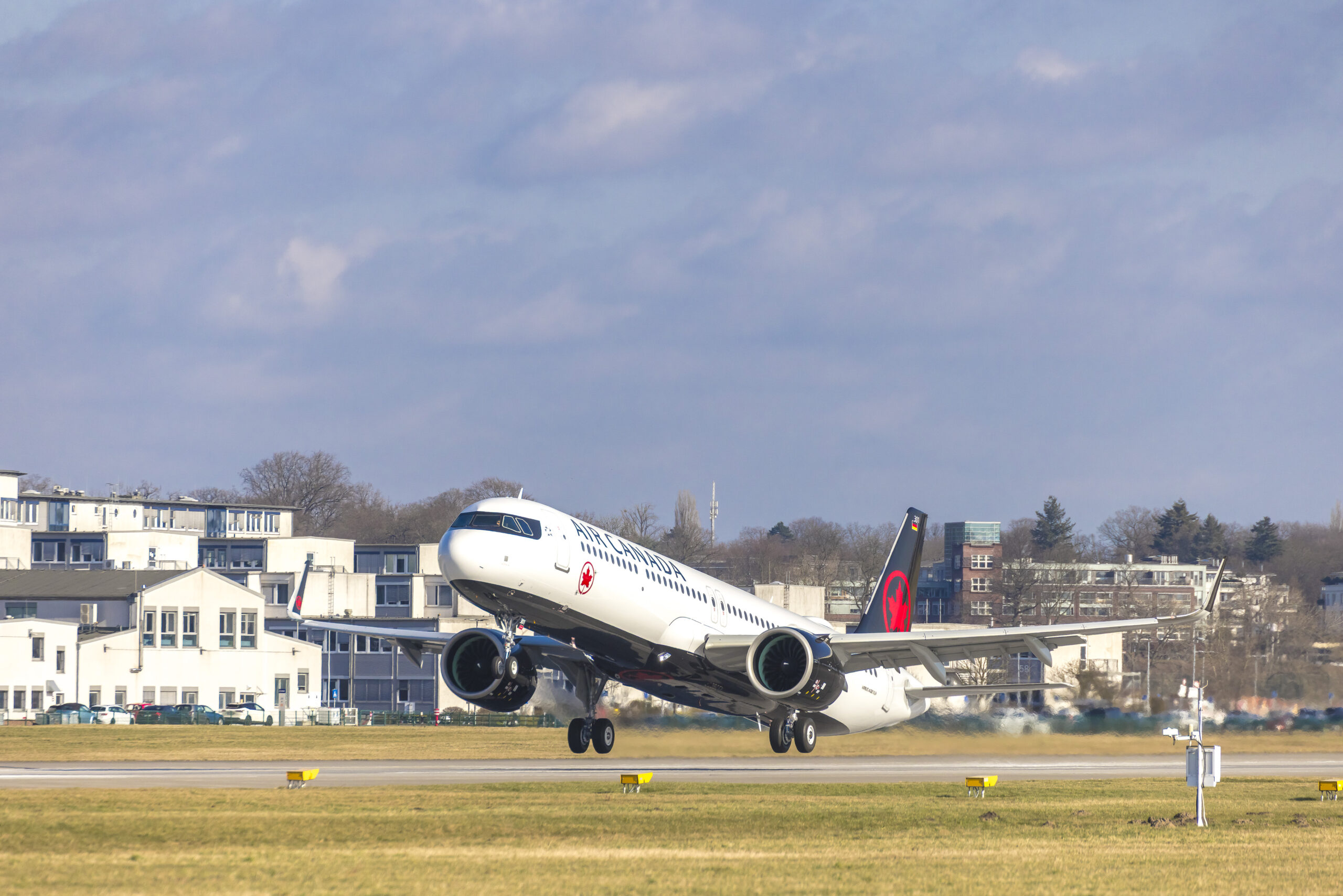
That aeroplane parked outside a mall is no longer a spectacle – it is a metaphor. Retail and aviation have converged. And India is leading that shift.
But when did it take off?
I remember two decades back, when privatisation began and the term “non-aero” was almost non-existent. What was different then was the domestic terminal; there was limited global learning, and little clarity on what passengers would actually shop for or dine in.
There were only passengers, not customers. When they walked into newly built private airports, they were awed by multi-brand and mono-brand stores, sweet shops, fast-food chains, airport-born food concepts, and more – and many began their journey into the most used word in travel retail: IMPULSE!

Founder & CEO, Ivaras Retail Pvt Ltd
Retail & Gastronomy at 30,000 Feet: How India’s Airports Became Business Ecosystems
India’s airports are no longer defined by runways and boarding gates. They are increasingly defined by revenue per square foot, brand portfolios, curated gastronomy, and architectural ambition.
In the last decade, the country’s leading aviation hubs have undergone strategic reinvention – transforming from transport infrastructure into high-yield commercial ecosystems. What was once transitional real estate is now among the most premium retail space in the nation.
No one asks, “How’s your aero business?” anymore; they ask, “How much is your non-aero?”
Historically, aeronautical revenues – landing fees, passenger service fees – formed the backbone of airport economics. Today, the growth narrative has decisively shifted toward non-aeronautical revenue – retail, food & beverage, experiential spaces, and brand partnerships.
The Dawn of a Retail Revolution in Indian Aviation
The metamorphosis of Indian airports is no accident; it is a product of visionary planning, strategic investment, and a sharp understanding of the modern traveler’s evolving expectations. Modern airports attracted experienced Indians working in global hubs to return home; Expats also came to India, and together with domestic talent, they laid the foundation of a retail revolution.
In earlier decades, airports were synonymous with functional architecture and utilitarian spaces, offering little more than basic amenities and perfunctory food counters. However, as India’s economy expanded and air travel became more accessible, demand for elevated experiences grew exponentially. Today’s airports must do far more than facilitate movement – they must engage, entertain, and delight.
The Gastronomy Revolution: Airports as Culinary Destinations
If retail invites you in, food makes you stay. Today, the food destination often influences which terminal you fly from.
Gastronomy is a revenue multiplier. Food and beverage is no longer a convenience category – it is a core pillar of airport strategy.
Premium terminals now feature: Regional QSR & fine dining concepts; Global quick-service brands; Artisanal cafés and specialty coffee bars; Lounge-integrated curated menus; Street food formats.
The shift is both cultural and commercial. As dwell times increase due to early check-in norms, e-gates, and security protocols, passengers are spending more time inside terminals. Airports that convert this time into premium culinary experiences see measurable gains in per-passenger revenue.
At the same time, operators are balancing aspiration with accessibility – introducing value-driven café formats to serve a wider passenger base without diluting the premium ecosystem.
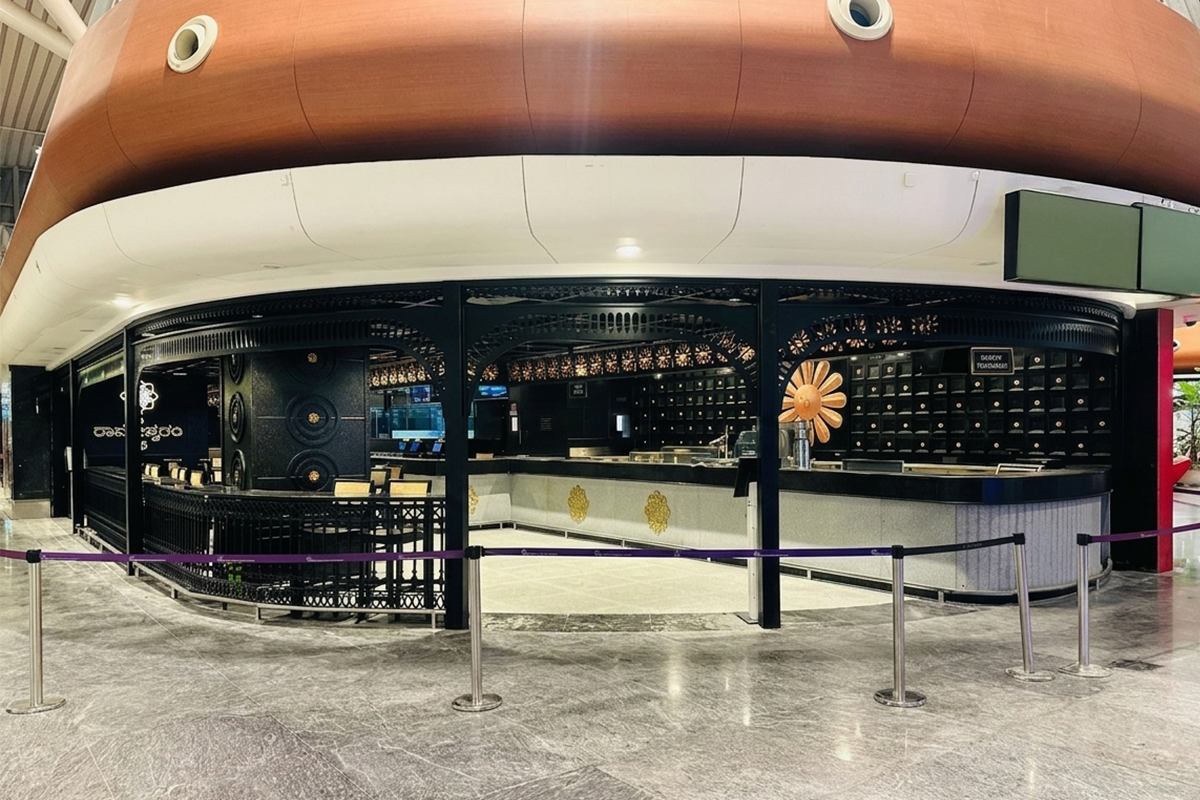
From filter coffee in Bengaluru to refined North Indian platters in Delhi, food has become central to the airport journey.
Gone are the days of rushed snacks at the gate. Today’s traveller expects – and receives – culinary excellence, even pre-ordering experiences.
This diversity is deliberate, reflecting a nation whose culinary identities are as varied as its languages. At Mumbai’s Chhatrapati Shivaji Maharaj International Airport, travelers can savor regional Maharashtrian delicacies before boarding a flight, while at Bengaluru’s Kempegowda International Airport, masala dosa is served alongside continental pastries and Italian fare. Delhi Indira Gandhi International Airport’s food concourse offers everything from Mughlai kebabs and chaats to vegan bowls. Global chains like Starbucks, Burger King, Pret A Manger sit alongside local favorites like The Rameshwaram Café and Haldiram’s, ensuring that every taste, dietary preference and craving is anticipated and satisfied.
Moreover, airports are no longer just feeding passengers; they are setting trends and driving culinary innovation. Seasonal menus, limited-edition collaborations, and the incorporation of sustainable and organic ingredients reflect the sensibilities of a new generation of Indian consumers who value both experience and ethics. During a journey, the airport becomes a stage for discovery – a place where culinary journeys begin before take-off.
The New Runway is Re-Gastro: Retail + Gastronomy
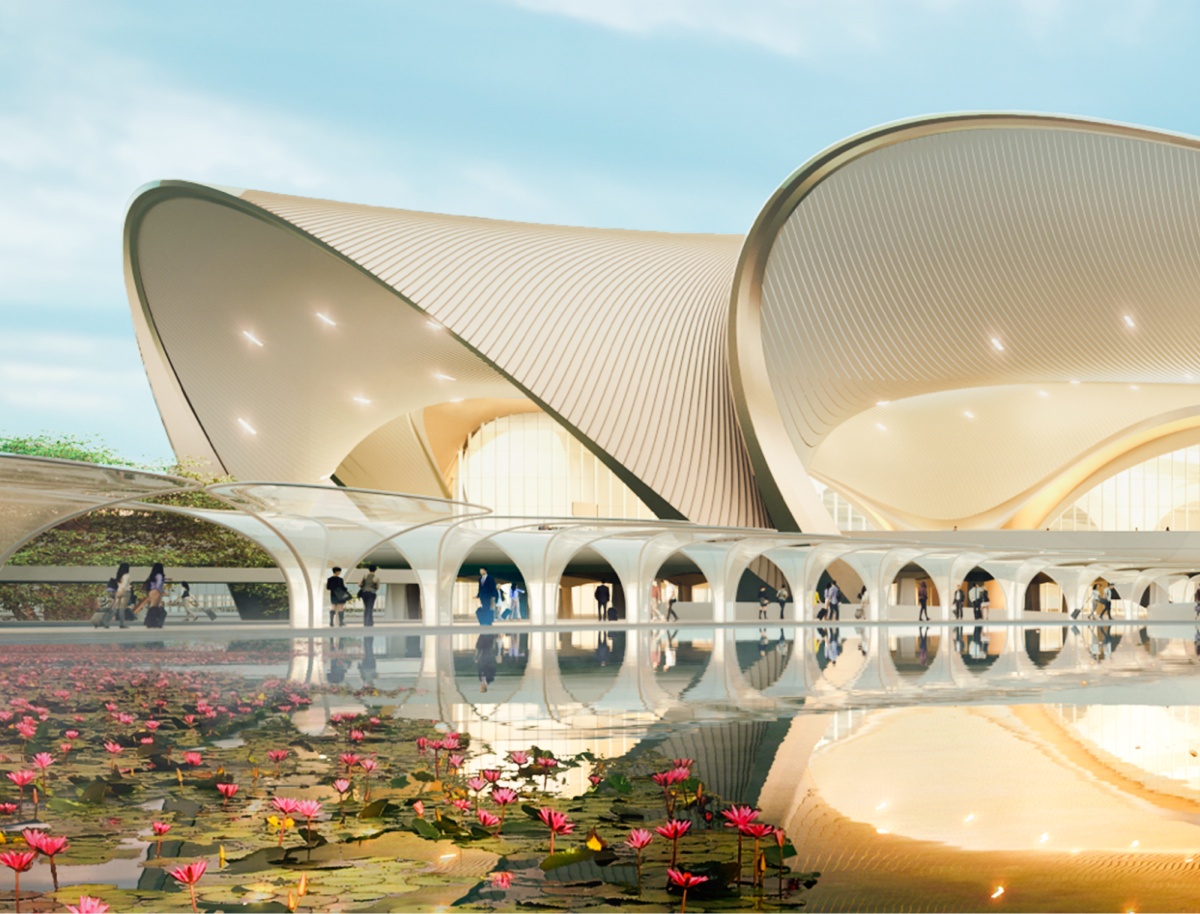
India’s airports have undergone a striking transformation. Today, they are immersive lifestyle ecosystems – blending luxury shopping, curated gastronomy, cultural storytelling, and architectural drama.
Now is the era of retail and gastronomy coexistence. Terminal layouts are no longer segmented into rigid retail and food zones; instead, they flow into blended “experience zones” where both intertwine to enhance passenger journeys.
This evolution significantly impacts airport architecture and engineering, requiring integrated planning for utilities, water systems across places demarked for commercial activity. Construction costs will increase, but so does revenue potential per square meter, making the model commercially effective.
“As dwell times increase due to early check-in norms, e-gates, and security protocols, passengers are spending more time inside terminals.”
In recent years, Indian airports have witnessed significant disruption in gastronomy concepts, transforming the passenger experience. Traditional food courts are being replaced by curated dining zones featuring regional specialities, celebrity chef-led outlets, and fusion cuisine. This shift is driven by changing traveller expectations, a focus on quality, and the desire to showcase India’s culinary diversity. Moreover, technology – from digital menus, contactless ordering and smart kitchens – further enhances efficiency and convenience.
Brands are increasingly investing in back-of-house infrastructure and capex, prioritizing operational efficiency as much as customer experience.
The Road Ahead: A Future of Endless Possibilities
As India’s aviation sector continues its rapid ascent – projected to reach over 520 million passengers by 2037 – the evolution of airports as retail and gastronomy destinations shows no sign of slowing. Smart navigation, contactless payments and personalized shopping recommendations are set to further elevate the passenger experience. Sustainability is also central, with airports investing in green buildings, zero waste initiatives, and local sourcing for food and retail, ensuring that indulgence does not come at the expense of the planet.
In summary, the airplane parked outside the mall is more than a visual; it is a metaphor for India’s journey from transit corridors to experiential epicenters of retail, dining, art, and innovation. As these gateways continue to expand their offerings and redefine what it means to travel, one thing is certain: every journey now promises an experience for all the senses – even before take-off.
Conclusion: The Terminal as Marketplace
India’s leading airports have successfully reframed their identity. They are no longer peripheral utilities – they are curated marketplaces where design, luxury, and gastronomy intersect with mobility.
The modern Indian airport is not just a point of departure. It is a commercial destination in its own right – and increasingly, one of the most sophisticated retail environments in the country.
And that airplane parked outside a mall? It’s not a spectacle. It’s symbolism. Aviation has merged with aspiration.
About the author: Sahan RMV is Founder & CEO of Ivaras Retail Pvt. Ltd., and Co-Founder, Travel Talez.